Navigating the vast world of gaming headphones can feel overwhelming for busy gamers balancing work, family, and precious free time. This comprehensive guide cuts through the noise to help you discover which gaming headphones truly elevate your experience without breaking the bank or requiring a complex setup. We understand that for many US gamers, averaging around 36 years old and often dedicating over 10 hours a week to their passion, gaming is a vital outlet for relaxation, social connection, and skill development. This article addresses common pain points such as performance woes, budget constraints for hardware upgrades, and the desire to stay current with gaming trends without succumbing to hype. Whether you play on PC, console, or mobile, for competitive edge or cozy co-op, finding the right headset is crucial for immersive sound, clear communication, and overall enjoyment. We will cover key features, connectivity options, comfort considerations, and microphone quality, ensuring you make an informed decision that enhances your specific gaming lifestyle and preferences. Get ready to upgrade your audio and truly hear the difference in your favorite titles.
What are the best gaming headphones right now?
The 'best' gaming headphones depend on your needs, but top contenders in 2026 often include models like the SteelSeries Arctis Nova Pro Wireless for ultimate features, the HyperX Cloud III for comfort and value, or the Astro A50 X for seamless cross-platform performance. For budget-conscious gamers, the HyperX Cloud Stinger Core remains a reliable choice, offering solid audio and a clear mic without breaking the bank.
Which wireless gaming headset has the best mic?
For the best wireless gaming headset microphone, look for models that utilize advanced AI-powered noise cancellation alongside a high-quality boom mic. The SteelSeries Arctis Nova Pro Wireless and the Corsair HS80 MAX are frequently praised for their exceptional mic clarity and background noise suppression, ensuring your callouts are heard perfectly even in noisy environments.
Are expensive gaming headphones worth it?
Expensive gaming headphones, typically over $200, can be worth it for serious gamers who prioritize premium build quality, advanced spatial audio features, exceptional comfort for long sessions, and sophisticated software customization. However, for most casual or mid-tier gamers, excellent options exist in the $80-$180 range that provide superb value without needing to overspend on incremental performance gains.
What gaming headphones do pros use?
Professional gamers often opt for wired headsets for zero latency and reliability in tournament settings. Popular choices among pros include models from HyperX Cloud series, SteelSeries Arctis lines, and sometimes audiophile headphones paired with external mics like the Beyerdynamic DT 770 Pro. They prioritize pinpoint audio accuracy, comfort, and crystal-clear communication above all else.
How do I connect my gaming headphones to my PS5 and PC?
To connect gaming headphones to both PS5 and PC, look for headsets with multi-platform compatibility. Many utilize a 2.4GHz USB dongle that can be moved between devices, or offer both USB for PC and a 3.5mm jack for PS5 controller connection. Some advanced models, like the Astro A50 X, allow simultaneous connection and seamless switching between multiple consoles and PC via dedicated base stations and HDMI passthrough.
What is the most crucial feature in gaming headphones for competitive play?
For competitive play, pinpoint spatial audio and a crystal-clear, noise-cancelling microphone are paramount. Spatial audio, often 7.1 surround or even more advanced virtualized sound, allows you to accurately locate enemy footsteps or distant gunshots, providing a significant tactical advantage. A superior microphone ensures your callouts are heard without distortion, even amidst intense game audio, which is vital for team coordination.
How can I ensure my gaming headphones remain comfortable during marathon sessions?
Comfort for long gaming sessions hinges on several factors: lightweight design, breathable earcups (memory foam with velour or hybrid materials are excellent), and a well-padded, adjustable headband. Look for headsets with minimal clamping force but still secure fit. Many gamers also appreciate swivel earcups that adapt to head shape, preventing pressure points that can cause discomfort over time.
Are wireless gaming headphones truly as good as wired options in 2026?
In 2026, wireless gaming headphones have largely caught up to wired counterparts in terms of latency and audio quality, thanks to advancements like ultra-low latency 2.4GHz connections and improved Bluetooth codecs. While professional esports players might still prefer wired for zero-latency assurance, for the vast majority of gamers, premium wireless headsets offer incredible freedom without noticeable compromise, especially those using dedicated USB dongles.
What's the best way to maintain and extend the life of my gaming headphones?
To extend your gaming headphones' life, handle them gently, avoid yanking cables, and store them properly (a headphone stand is ideal). Regularly clean earcups and the headband with a damp cloth to remove oils and sweat. If your headset has removable components like ear pads or a detachable mic, replace them when worn. For wireless models, maintain good battery hygiene by avoiding constant overcharging.
Do I need specific gaming headphones for mobile gaming, or will PC headsets work?
While many PC gaming headsets can connect to mobile devices via 3.5mm jack or Bluetooth, dedicated mobile gaming headphones or versatile cross-platform models offer better integration. Mobile-specific options are often more compact, support low-latency Bluetooth modes, and might include in-line controls optimized for phone use. However, a good Bluetooth-enabled PC headset will generally work fine for casual mobile gaming too.
How much should I expect to spend on quality gaming headphones without overpaying?
You can find excellent quality gaming headphones without overpaying in the 80 to 180 dollar range. This price bracket typically offers a great balance of sound quality, build durability, comfort, and microphone clarity. While ultra-premium headsets exist, the incremental improvements often dont justify the significantly higher cost for the average gamer. Focusing on value brands and specific features you need helps save money.
What is 'active noise cancellation' and is it essential for gaming headphones?
Active Noise Cancellation (ANC) uses microphones to detect external sounds and generate opposing sound waves, effectively canceling out environmental noise. While not strictly essential for all gamers, ANC is incredibly beneficial if you game in a noisy environment, like a busy household or shared space. It helps you focus entirely on your game audio, enhancing immersion and competitive edge by eliminating distractions, though it can add to the cost.
Hey fellow gamers! If you're anything like the average US gamer, who's probably around 36 years old and dedicates a solid 10+ hours a week to your favorite virtual worlds, you know how precious your gaming time is. It's not just about hitting buttons; it's about unwinding after a long day, connecting with friends across the country, sharpening your skills, and maybe even escaping reality for a bit. But let's be real, nothing sours that experience faster than fuzzy audio, a mic that cuts out, or a headset that feels like a vice grip after an hour. Figuring out which gaming headphones are truly right for you, amidst all the marketing jargon and endless options, can feel like another boss battle you didn't sign up for. With 87% of US gamers regularly engaging, the need for clear, immersive audio is more critical than ever, especially with trends like social gaming and cross-play dominating this month's headlines.
You're here because you want to make an informed decision, maybe upgrade your gear on a budget, or simply ensure your precious gaming hours are as enjoyable and effective as possible. You value performance without the hype, and you need gear that seamlessly fits into your life, not complicates it. This comprehensive guide is designed to cut through the noise, offering practical, no-nonsense advice on which gaming headphones will genuinely enhance your play, whether you're strategizing in an MMO, dominating an FPS, or just chilling with friends in a cozy co-op title. We'll tackle common questions, share insights from fellow gamers who balance life and pixels, and help you find that perfect audio companion.
What are the key factors when choosing which gaming headphones?
When you're trying to figure out which gaming headphones to invest in, it really boils down to balancing a few core elements. For most adult gamers, the ideal headset needs to deliver on sound quality, microphone clarity, comfort, and compatibility, all while fitting within a reasonable budget. You want to hear every subtle enemy footstep and enjoy rich game soundtracks, but also ensure your teammates hear your critical callouts. Comfort is paramount for those longer sessions, preventing fatigue and distractions. And of course, it needs to work flawlessly with your gaming setup, whether that's a PC, PlayStation, Xbox, Switch, or even your mobile device for on-the-go play, a growing trend among US gamers.
Think about your primary use. Are you a competitive player who needs pinpoint audio accuracy to gain an edge? Or are you a casual player who prioritizes immersive soundscapes and all-day comfort for relaxation? Understanding your gaming habits and priorities will guide your choices. Consider factors like open-back vs. closed-back designs, which affect soundstage and noise isolation, and whether you need virtual surround sound for positional audio. Don't forget durability; a headset that can withstand daily use is far more valuable than one that breaks down quickly, regardless of its initial price.
Wired vs. Wireless: Which connectivity is better for gaming headphones?
The wired versus wireless debate has evolved significantly, and in 2026, premium wireless gaming headphones offer incredible performance that often rivals their wired counterparts. Wired headsets typically offer a zero-latency connection and never run out of battery, making them a reliable choice for competitive esports players or those who simply prefer plug-and-play simplicity without worrying about charging. They often provide excellent sound quality for their price point and can be a great budget-friendly option.
However, the convenience and freedom of movement offered by wireless models are undeniable, especially for busy gamers who might step away from their screen briefly. Modern 2.4GHz wireless headsets, often utilizing a USB dongle, provide ultra-low latency connections that are virtually imperceptible to the average gamer. Bluetooth options, while slightly higher latency, are fantastic for mobile gaming or connecting to multiple devices. The key is to choose a wireless headset with a strong, stable connection and good battery life. For those balancing gaming with family life, the ability to grab a drink or attend to a quick task without ripping off your headset is a huge plus. Wireless technology has advanced to a point where the performance gap is negligible for most, making it a very appealing choice.
How important is sound quality and spatial audio in gaming headphones?
Sound quality and spatial audio are incredibly important, transforming your gaming experience from merely visual to truly immersive and tactical. Basic stereo sound is fine, but advanced audio features like 7.1 virtual surround sound, Dolby Atmos, or DTS Headphone:X create a sense of space, allowing you to pinpoint the direction of sounds – footsteps, gunshots, dialogue – within the game world. This isn't just about immersion; it's a significant competitive advantage, giving you crucial information before you even see an enemy. For gamers who enjoy titles with rich soundtracks and intricate sound design, good audio quality also enhances storytelling and atmosphere, making your playtime more enjoyable and relaxing.
When evaluating sound quality, look for headsets with large drivers (e.g., 50mm) that can deliver a wide frequency range, offering clear highs, detailed mids, and powerful, but not overpowering, bass. Balanced audio is key; you don't want bass so strong it drowns out important treble cues. Many modern gaming headphones also feature custom audio profiles or EQ settings, allowing you to fine-tune the sound to your preference, whether you prefer a neutral soundstage for competitive accuracy or a more bass-heavy profile for explosive single-player adventures. For those deep dives into new titles or revisiting classics, superior sound makes all the difference.
What microphone features should I look for in gaming headphones?
A crystal-clear microphone is arguably just as important as sound quality, especially for social gamers or those involved in competitive teams. Nobody wants to be the person with a crackly, distorted mic that makes team communication a chore. When choosing which gaming headphones, prioritize a microphone that offers good noise cancellation. This feature filters out background sounds from your environment – kids playing, a partner on a call, keyboard clicks – ensuring your voice comes through clearly to your teammates. Many premium headsets now feature AI-powered noise reduction, which is incredibly effective at isolating your voice.
Look for microphones that are either detachable or retractable. A detachable mic offers flexibility, allowing you to use the headphones as regular audio gear when not gaming. Retractable mics provide convenience, tucking away neatly when not in use. Sidetone, or mic monitoring, is another valuable feature that lets you hear your own voice through the headset, preventing you from shouting unintentionally. Also, consider the mic's frequency response; a wider range generally means more natural-sounding voice reproduction. For Discord calls, in-game comms, or even streaming, a high-quality mic is non-negotiable for smooth, frustration-free interaction.
How do I ensure gaming headphones are comfortable for long sessions?
Comfort is often an overlooked aspect until you're an hour into a raid and your ears start throbbing. For gamers who typically spend multiple hours per session, comfort is paramount. The key to comfortable gaming headphones lies in several design elements. First, look at the overall weight; lighter headsets generally cause less fatigue. Second, inspect the earcups. They should be large enough to fully encompass your ears without pressing against them, and the padding material makes a huge difference. Memory foam is standard, but materials like velour or hybrid fabrics (a mix of leatherette and fabric) are more breathable than pure leatherette, preventing sweat buildup and overheating during intense moments. This is a common pain point for many gamers.
Third, consider the headband. It should be adjustable and well-padded, distributing pressure evenly across the top of your head. Avoid headsets with excessive clamping force, as this can lead to headaches and discomfort over time. Some headsets feature suspension headbands or self-adjusting designs, which can be excellent for finding a comfortable fit. Removable and replaceable ear pads are also a plus, allowing you to swap them out for different materials or replace them when they wear down. Trying a headset on, if possible, is always the best way to gauge its comfort, but reading reviews that specifically address long-term wear is also helpful.
Which gaming headphones are best for different platforms (PC, Console, Mobile)?
The best gaming headphones often depend on your primary platform. Many modern headsets offer cross-platform compatibility, but some excel more in specific ecosystems. For PC gamers, you generally have the widest array of options. USB-connected headsets often come with advanced software suites for custom EQ, virtual surround sound, and mic settings. High-end wired or 2.4GHz wireless options are abundant. For console gamers (PlayStation, Xbox, Nintendo Switch), compatibility is crucial. Many headsets are specifically licensed for PlayStation or Xbox, ensuring seamless integration and often offering console-specific features like Xbox Wireless protocol or PlayStation's Tempest 3D Audio support. Look for headsets with 3.5mm jacks for Switch compatibility, or Bluetooth for newer models.
Mobile gamers are a rapidly growing segment, especially with titles like Genshin Impact and Call of Duty Mobile gaining massive popularity. For mobile, Bluetooth is often the most convenient connection, but look for low-latency codecs like aptX Low Latency if supported by your device, to minimize audio delay. Compact designs, good battery life, and often a more understated aesthetic are beneficial for mobile use. Many versatile headsets now offer multiple connectivity options (USB dongle for PC/console, Bluetooth for mobile), providing a single solution for gamers who jump between devices, which is increasingly common among Gen Z and Millennial players.
Can I find great gaming headphones on a budget?
Absolutely! You don't need to empty your wallet to get a fantastic pair of gaming headphones. While premium options can cost upwards of $300, there are many excellent budget-friendly choices that deliver superb performance for their price. Generally, aim for the $70-$150 range for a sweet spot that balances features, build quality, and audio fidelity without excessive spending. In this bracket, you can expect solid stereo sound, a decent microphone, and comfortable designs. Wired headsets often provide better value for money in lower price tiers, as wireless technology adds to the cost.
When shopping on a budget, prioritize the features that matter most to you. If competitive play is your focus, look for strong stereo separation and a clear mic. If immersion is key, find one with good bass response. Reading reviews from reputable tech sites and fellow gamers can help you identify hidden gems that offer performance usually found in higher price categories. Keep an eye out for sales, especially around major gaming events or holidays. Remember, a well-researched $100 headset can often outperform a rushed $200 purchase if you know what to look for and avoid the marketing hype. Smart spending means focusing on value, not just the lowest price.
Are gaming headphones really different from regular headphones?
Yes, gaming headphones are distinct from regular consumer headphones, though the lines are blurring with advancements in audio technology. The primary difference lies in their specific design and features tailored for the gaming experience. Gaming headsets almost always include an integrated or detachable microphone, essential for in-game communication. Regular headphones rarely have this built-in, requiring a separate mic. Gaming headsets also often prioritize features like low-latency wireless connections, virtual surround sound, and comfort designed for extended wear, which might not be a focus for headphones designed purely for music listening.
However, many high-fidelity audiophile headphones can be adapted for gaming by adding an external microphone, and some premium gaming headsets now offer sound quality that rivals dedicated music headphones. The distinction is becoming more about convenience and specific features. A gamer balancing family and work life might prefer the all-in-one simplicity of a gaming headset. Conversely, a music enthusiast who casually games might opt for high-end open-back headphones paired with a standalone mic. The choice depends on your primary use case and how much you value the integrated gaming-specific features.
How do I troubleshoot common gaming headphone issues?
Even the best gaming headphones can run into snags. Common pain points include sound cutting out, mic not working, or connectivity problems. Here are some quick troubleshooting steps to get you back in the game:
- No Sound or Distorted Audio:
- Check all cable connections (3.5mm, USB). Ensure they're fully plugged in.
- Verify volume levels on the headset, in-game settings, and your system's sound mixer.
- Confirm the correct audio output device is selected in your system's sound settings (e.g., 'Headset Earphone' not 'Speakers').
- Update your audio drivers. Outdated drivers are a frequent culprit.
- If wireless, check battery levels and try re-pairing the device or moving closer to the dongle.
- Microphone Not Working:
- Ensure the mic isn't muted (physical button or software setting).
- Check the mic's physical connection (if detachable).
- Select the correct input device in your system's sound settings (e.g., 'Headset Microphone').
- Adjust mic sensitivity levels in your system or communication app (Discord, Teamspeak).
- Update drivers or firmware for your headset.
- Connectivity Issues (Wireless):
- Recharge your headset fully.
- Re-pair the headset with its dongle or via Bluetooth.
- Try a different USB port for the dongle, especially a USB 2.0 port if you're experiencing interference.
- Ensure there are no other strong wireless signals interfering nearby.
Often, a simple restart of your PC or console, or power cycling the headset, can resolve minor glitches. Don't hesitate to check the manufacturer's support page for specific troubleshooting guides for your model.
What are the top trending gaming headphone features in 2026?
As we navigate 2026, several key trends are shaping the gaming headphone landscape, driven by evolving gamer needs and technological advancements. One major trend is the rise of multi-platform connectivity, with headsets offering seamless switching between 2.4GHz wireless for PC/consoles and Bluetooth for mobile devices, catering to the modern gamer who plays across ecosystems. This reflects the increasing mobile dominance in gaming and the desire for a single, versatile device.
Advanced AI-powered noise cancellation for microphones is another significant feature. Gone are the days of basic noise gating; new headsets use machine learning to intelligently isolate your voice, making communication clearer than ever, even in noisy home environments. We're also seeing more refined spatial audio experiences, moving beyond generic 7.1 virtual surround to highly personalized, head-tracked audio that creates an incredibly realistic soundstage. Finally, sustainable design and modular components are gaining traction, with brands offering replaceable ear pads, batteries, and even headbands, extending product lifespan and aligning with eco-conscious consumer values. These trends focus on convenience, performance, and longevity, directly addressing the pain points of today's busy gamer.
FAQ Section: Your Quick Answers
Here's a quick rundown of some common questions gamers ask about which gaming headphones to pick:
Are open-back gaming headphones better than closed-back?
Open-back headphones generally offer a wider soundstage and more natural audio, which can be great for immersion. However, they leak sound in and out, so they're best for quiet environments. Closed-back headphones provide better noise isolation, making them ideal for noisy homes or competitive play where focus is key.
How often should I replace my gaming headset?
With good care, a quality gaming headset can last 3-5 years or even longer. You might replace it sooner if technology significantly advances, or if components like ear pads and cables wear out and aren't replaceable. Regular cleaning and careful handling can extend its life considerably.
What is the difference between an over-ear and on-ear headset?
Over-ear (circumaural) headsets completely enclose your ears, providing better noise isolation and often superior comfort for long sessions. On-ear (supra-aural) headsets rest directly on your ears, typically being lighter and more portable but potentially less comfortable and offering less isolation.
Is surround sound in gaming headphones truly important?
Yes, for many gamers, especially in competitive titles, virtual surround sound is very important. It enhances spatial awareness, allowing you to accurately pinpoint enemy locations based on sound cues, giving you a tactical advantage. For immersive single-player games, it deepens the experience and makes the game world feel more alive.
Can I use my gaming headphones for music listening?
Absolutely! Many modern gaming headphones, especially those in the mid-to-high price range, offer excellent audio quality that's perfectly suitable for music listening. Some even come with dedicated music modes or EQ presets. While they might not replace audiophile-grade headphones, they are more than capable for everyday music enjoyment.
What's the best way to clean my gaming headphone ear pads?
For leatherette or pleather ear pads, gently wipe them with a damp cloth and mild soap, then dry thoroughly. For velour or fabric pads, a lint roller or a slightly damp microfiber cloth can remove dust and oils. Always ensure they are completely dry before use to prevent damage and odor. Avoid harsh chemicals.
Do gaming headphones need a separate amplifier?
Most consumer-grade gaming headphones do not require a separate amplifier, as they are designed to be easily driven by standard PC or console audio outputs. However, some high-impedance audiophile-grade headphones, which a few gamers might adapt for gaming, could benefit from an amplifier for optimal volume and sound quality.
Conclusion
Choosing which gaming headphones can significantly elevate your entire gaming experience, turning good sessions into truly great ones. We've explored the crucial factors from sound and mic quality to comfort and budget, and delved into platform specifics and troubleshooting tips. Remember, the best headset for you is one that fits your unique gaming style, budget, and daily life. It’s about enhancing your fun, sharpening your skills, and making those social connections clearer than ever. Don't let a poor audio setup be a pain point; invest wisely in your gaming enjoyment.
What's your biggest gaming challenge when it comes to audio? Comment below and share your thoughts or favorite headset recommendations!
Choosing the right gaming headphones involves balancing sound quality, comfort, microphone clarity, connectivity, and budget. This guide helps gamers navigate options for PC, console, and mobile, focusing on practical solutions for immersive audio and clear communication without complex setups or excessive spending. Prioritizing features like spatial audio, durable build, and cross-platform compatibility ensures an optimal gaming experience for busy adults.
35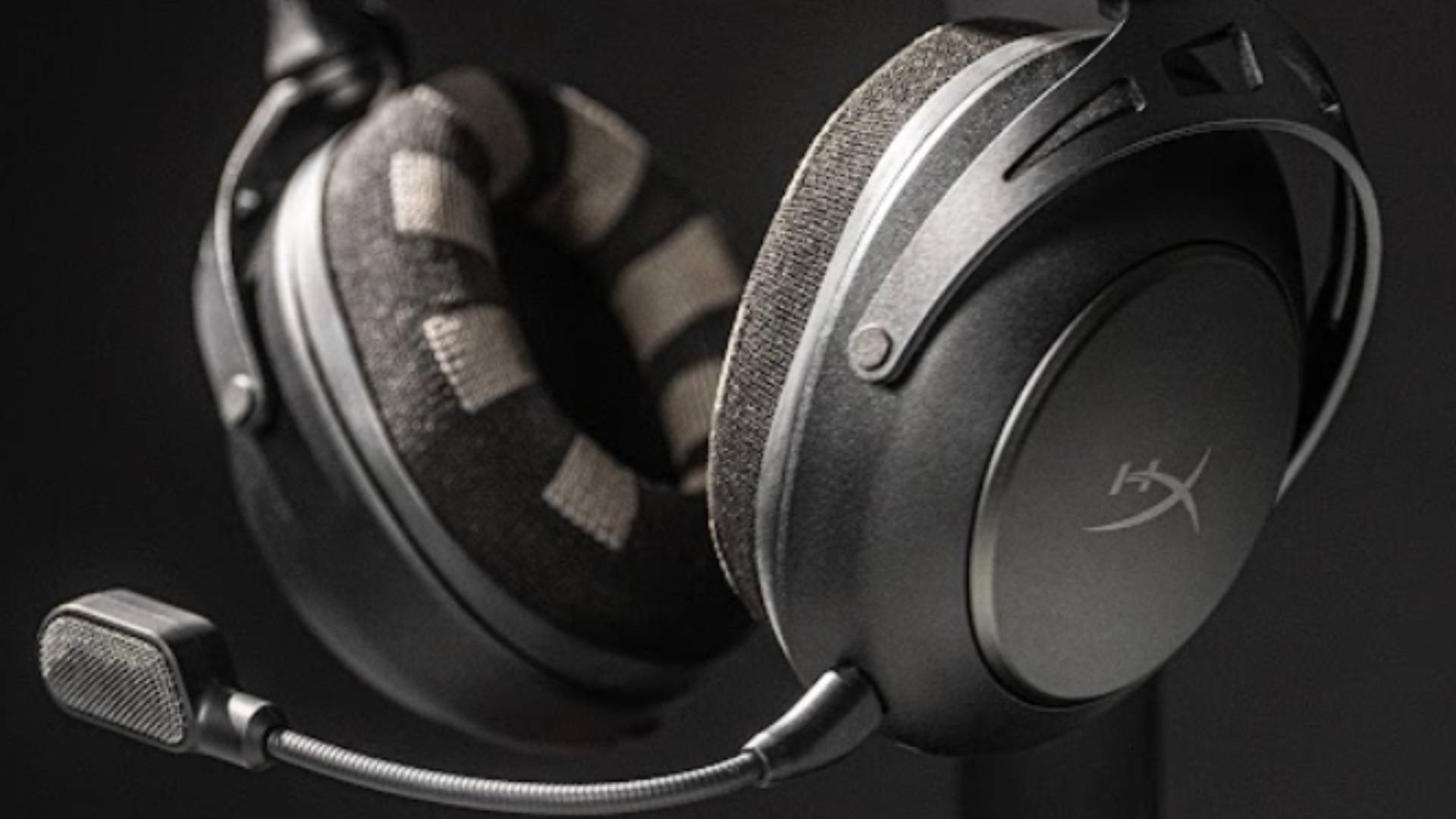


Neurable And HyperX Have Unveiled A Gaming Headset At CES 2026 That Can . The 3 Best Gaming Mice Of 2026 Precision Performance The 3 Best Gaming Headsets Of 2026 . 15 Best Gaming Headsets For Xbox In 2026 Top Picks For Immersive Play Top Xbox Gaming Headsets 2026 Ij8c7 . 8 Best Logitech Gaming Headphones Of 2026 Top Logitech Gaming Headphones . Best VR Gaming Headsets 2026 Quest 4 PSVR 3 PCVR Wireless Picks Best Gaming Headsets


Best Wireless Gaming Headset 2026 7 Top Picks Under 150 GameZHaven ChatGPT Image Mar 6 2026 11 19 02 AM . Best Universal Gaming Headphones 2026 10 Headsets Tested Featured Image Vkp0y7oy . The 7 Best Gaming Headsets Of 2026 Best Gaming Headset . Best Gaming Headset 2026 Top Trends Buyer S Guide Wantek Best Gaming Headset 2026 7df80dc1 203e 43e0 81b6 . Best Gaming Headsets In 2026 I D Bet My Ears On These Headphones PC 1920 80


Best Gaming Headsets 2026 Watch Before You Buy YouTube . Headset Gaming Wireless 2026 Mana Yang Cetar Mana Yang Hanya Jadi Headset Gaming Wireless 2026 Mana Yang Cetar Mana Yang Hanya . Best Gaming Headsets Of 2026 From Budget Picks To Pro Audiophile . Best Gaming Headset 2026 GMDegens Io Best Gaming Headset . Ranking The Top 10 Low Latency Gaming Headsets In 2026 Razer Sony More



Best Gaming Headsets 2026 Wireless Low Latency Picks Gadjety Best Gaming Headsets 2026 1024x576 . 12 Best Gaming Headphones In 2026 Expert Tested Picks Under 200 . How To Choose A Gaming Headset In 2026 Competitive FPS Immersion And. Best Gaming Headset 2025 Top Picks For PC Console Best Gaming Headset . Best Gaming Headsets For 2026 Reviewed By An Expert



The Best Gaming Headsets We Ve Tested For 2026 PCMag 13.fit Lim.size . Best Handheld Gaming Consoles In 2026 Including Nintendo Switch Steam Best Gaming Headset 2023 Lead . Best Gaming Headset In 2026 Top Picks For Every Budget Best Gaming Headset 300x180 . Best Gaming Headset 2026 Top Picks For Competitive And Casual Gaming AC SL1500 . Best Retro Handheld 2026 My Portable Picks For Playing The Classics



Best Gaming Headset 2026 Top Picks For Competitive And Casual Gaming AC SL1000 . Best Gaming Headset 2026 Top Picks For Competitive And Casual Gaming 71c YOxfTGL . Best Gaming Headset 2026 Top Picks For Competitive And Casual Gaming Best Gaming Headset 2026 3 . Choosing Wireless Gaming Headphones 2026 How To Choose Wireless Gaming Headphones In 2026 D Banner.webp. Top Budget Headphones 2026 Best For Gaming Music Top Budget Headphones 2026.webp


Best Gaming Headsets Of 2026 Best Gaming Headsets Of 2025 Blog Feature Image Facebook Text . Best Wireless Gaming Headsets 2026 Which Should You Buy YouTube . Best Gaming Headsets Of 2026 Blank Best Gaming Headsets Of 2025 UK Blog Feature Image Main TextTwitter . Why Gamers Are Buying More Headphones Gaming Headset Trends And Audio Gaming Headphones . Best Gaming Headsets For 2026 109QTM910 884MXWELLP 158WHG900 0205 1200x628