Dive deep into the fascinating world of best watercooling PC setups, a game-changer for serious enthusiasts and competitive gamers in 2026. This comprehensive guide unravels the mysteries behind superior thermal management, explaining how liquid cooling can unlock unprecedented performance and stability for your high-end components. Discover the latest trends, from advanced AIO units featuring smart control systems to intricate custom loops boasting exotic coolants and silent operation. We explore why ditching traditional air coolers for a watercooling solution is becoming essential for pushing modern CPUs and GPUs to their limits without throttling. Learn about the quiet hum of efficiency and the aesthetic appeal of a well-designed liquid-cooled rig. Prepare to transform your gaming experience, ensuring your hardware runs cooler, faster, and longer, ready for any challenge the virtual world throws your way. This is your ultimate resource for navigating the exciting landscape of PC watercooling.
best watercooling pc FAQ 2026 - 50+ Most Asked Questions Answered (Tips, Trick, Guide, How to, Bugs, Builds, Endgame)
Welcome, fellow PC enthusiasts, to the ultimate living FAQ for the best watercooling PC setups in 2026! This guide is your definitive resource, constantly updated to reflect the latest advancements, component releases, and community insights. Whether you're a beginner contemplating your first liquid cooler or a seasoned builder troubleshooting an advanced custom loop, we've got you covered. From optimizing thermal performance and understanding new-gen coolants to fixing common issues and mastering aesthetic builds, we dive deep into every aspect. Our goal is to empower you with the knowledge to achieve unparalleled cooling efficiency, silence, and visual flair for your high-performance rig. Let's tackle those burning questions and get your system running at its absolute peak, ensuring you're ready for any game or demanding application.
Beginner Questions & Core Concepts
What is the primary benefit of watercooling a gaming PC?
The primary benefit of watercooling is significantly improved thermal performance, allowing your CPU and GPU to run cooler. This prevents thermal throttling, maintaining higher boost clocks for longer periods. Consequently, you experience smoother frame rates and enhanced stability during intensive gaming or demanding creative tasks, boosting overall system longevity.
Is an All-in-One (AIO) liquid cooler better than a high-end air cooler?
For most users, a good AIO liquid cooler often outperforms high-end air coolers in thermal efficiency and noise reduction, especially with high-TDP CPUs. AIOs offer a cleaner aesthetic and less strain on the motherboard compared to large air heatsinks. They provide a simpler entry into liquid cooling without the complexities of custom loops, delivering noticeable performance gains.
How difficult is it to install an AIO liquid cooler?
Installing an AIO liquid cooler is generally straightforward, comparable to installing a high-end air cooler. The unit comes pre-assembled and pre-filled, requiring you to mount the CPU block, attach the radiator to a fan mount, and connect a few cables. Most manufacturers provide clear, step-by-step instructions. Patience and careful reading are key.
Can watercooling help with PC noise reduction?
Yes, watercooling significantly contributes to PC noise reduction. Liquid cooling systems transfer heat to larger radiators where bigger fans can spin at lower RPMs. This creates far less audible noise compared to the smaller, faster-spinning fans often found on traditional air coolers. A quieter PC enhances immersion and user comfort greatly.
Builds & Component Selection
What components do I need for a basic custom watercooling loop?
For a basic custom loop, you'll need a CPU water block, a pump/reservoir combo unit, at least one radiator (typically 240mm or 360mm), tubing (soft or hardline), appropriate fittings, and specialized coolant. Optional additions include a GPU water block and a drain valve for easier maintenance. Always ensure component compatibility.
How do I determine the right radiator size for my system?
Radiator sizing depends on your CPU and GPU's thermal output and desired noise levels. A general guideline is to aim for at least a 240mm or 280mm radiator for a CPU-only loop. For a CPU and high-end GPU, consider a 360mm radiator or multiple radiators (e.g., 240mm + 360mm) to ensure ample heat dissipation and quiet fan operation.
Is it worth watercooling my GPU as well as my CPU?
Watercooling your GPU is highly recommended for enthusiasts seeking maximum performance, lower temperatures, and reduced noise. Modern high-end GPUs generate substantial heat, and liquid cooling allows them to maintain higher boost clocks longer, especially during overclocking. It also contributes significantly to a quieter overall system experience.
What type of coolant should I use in my custom loop?
Always use coolants specifically designed for PC liquid cooling systems. These contain anti-corrosive agents, biocides, and algaecides to protect your components and prevent growth. Clear coolants are generally safest for long-term use, while opaque or pastel coolants offer striking aesthetics but may require more frequent maintenance due to potential fallout.
Maintenance & Longevity
How often should I flush and refill my custom watercooling loop?
It is generally recommended to flush and refill your custom watercooling loop every 6 to 12 months. This routine prevents coolant breakdown, biological growth, and sediment buildup, ensuring optimal thermal performance and component longevity. Regular maintenance preserves the integrity and efficiency of your entire cooling system.
What are common signs that my watercooling system needs maintenance?
Common signs include rising component temperatures, increased pump noise, noticeable discoloration or cloudiness of the coolant, and visible sediment or growth within the tubing or reservoir. These indicators suggest reduced efficiency or potential blockages, signaling that a maintenance cycle, including flushing and refilling, is due.
Myth vs. Reality
Myth: Watercooling is guaranteed to leak and destroy my PC.
Reality: While a risk, modern watercooling components are incredibly reliable, and leaks are rare if installed correctly. Proper planning, meticulous assembly, and thorough leak testing (especially with an air pressure tester) drastically minimize this risk. The catastrophic leak myth is largely sensationalized; thousands run liquid-cooled systems flawlessly.
Myth: Watercooling requires constant, complex maintenance.
Reality: For AIOs, maintenance is minimal (dusting). Custom loops require annual or bi-annual coolant flushes and refills, which is manageable. It's akin to routine car maintenance, not rocket science. The perception of constant, complex upkeep is often exaggerated, especially with quality components and good planning.
Myth: Watercooling provides no performance benefit, only aesthetics.
Reality: This is unequivocally false. Watercooling offers superior thermal dissipation compared to air cooling, allowing CPUs and GPUs to sustain higher boost clocks and overclock further without throttling. This directly translates to significant performance gains in gaming, rendering, and other demanding applications, alongside aesthetic benefits.
Myth: Mixing different metals in a loop is fine if you use good coolant.
Reality: Absolutely false! Mixing dissimilar metals like aluminum and copper in a loop, even with anti-corrosive coolant, will lead to galvanic corrosion. This reaction degrades components, creates sludge, and can cause leaks. Always ensure all metal components in your loop (blocks, radiators) are made of the same compatible material, typically copper/brass.
Myth: Any distilled water can be used as coolant.
Reality: While distilled water is the base, it lacks essential additives. Using pure distilled water without anti-corrosives, biocides, and algaecides leaves your system vulnerable to corrosion and biological growth. Always use coolants specifically formulated for PC liquid cooling to protect your expensive hardware and maintain loop integrity.
Still have questions?
Dive deeper with our expert guides on 'Custom Watercooling Loop Design', 'Overclocking with Liquid Cooling', and 'Advanced Coolant Chemistry' for even more insights!
Ever wondered if your gaming PC is truly reaching its full potential? Are you tired of that noisy fan whirring, especially during intense gaming sessions? Many enthusiasts and pro gamers often ask what the best watercooling PC setup truly entails for 2026. This isn't just about flashy lights; it's about raw, unthrottled power and whisper-quiet operation.
We have seen gaming luminaries and tech influencers alike making the big switch. They are moving away from traditional air coolers to advanced liquid cooling solutions. It’s a trend that’s dominating high-performance builds across the globe, enhancing every gameplay moment. Liquid cooling brings unparalleled thermal management, ensuring your components run optimally.
Why Watercooling is the New PC Power Play
In the fiercely competitive world of PC gaming and content creation, every degree Celsius matters. Watercooling systems efficiently draw heat away from your CPU and GPU. This allows them to maintain higher boost clocks for longer periods, preventing thermal throttling. Imagine smoother frame rates and faster rendering without any hiccups.
The Silent Performance Revolution
One of watercooling's most celebrated benefits is its dramatic reduction in operational noise. Unlike bulky air coolers that rely on high-RPM fans, liquid cooling uses larger radiators and slower, quieter fans. This creates a peaceful gaming environment, letting you focus entirely on the game's immersive soundscape. Your streaming audience will also appreciate the lack of background fan noise. It truly transforms the user experience.
Aesthetics That Turn Heads
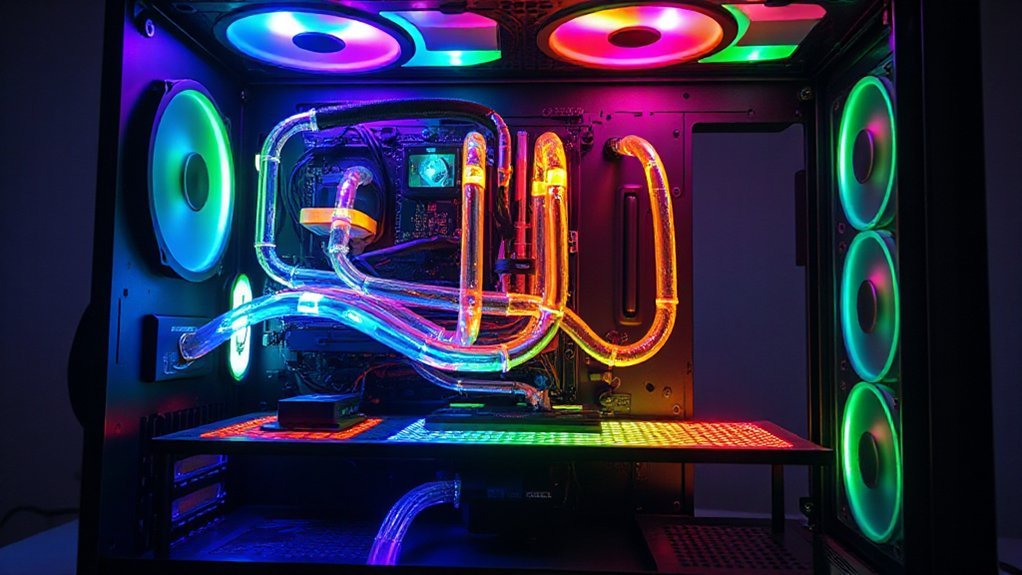
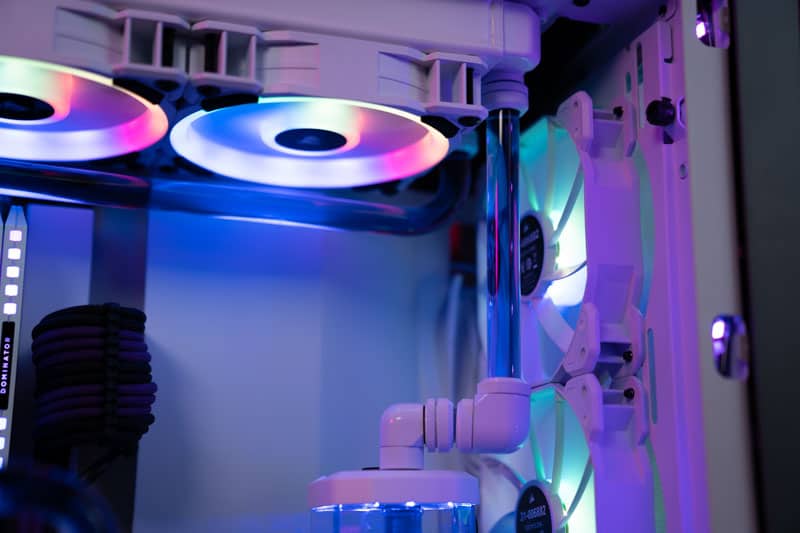
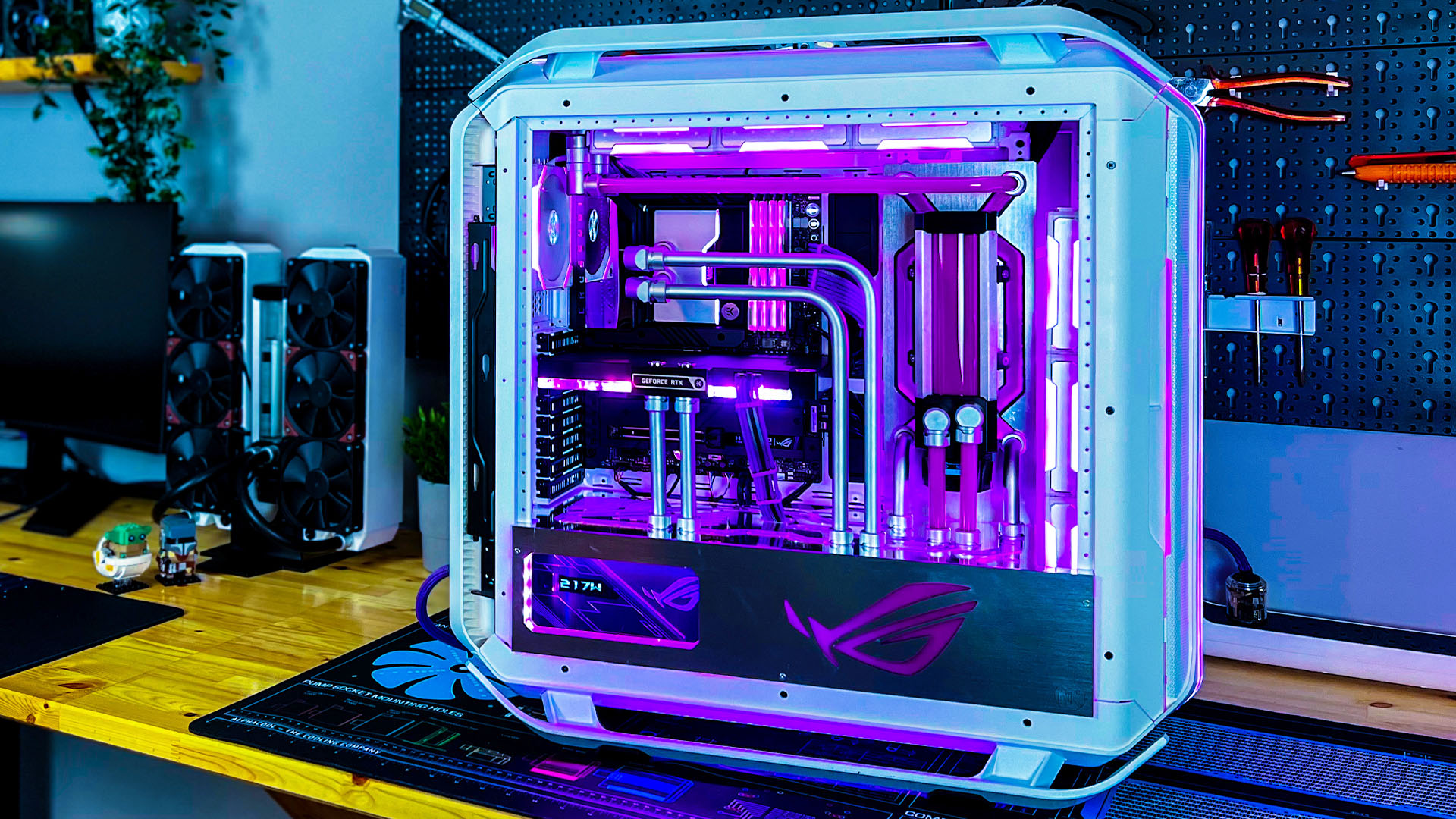
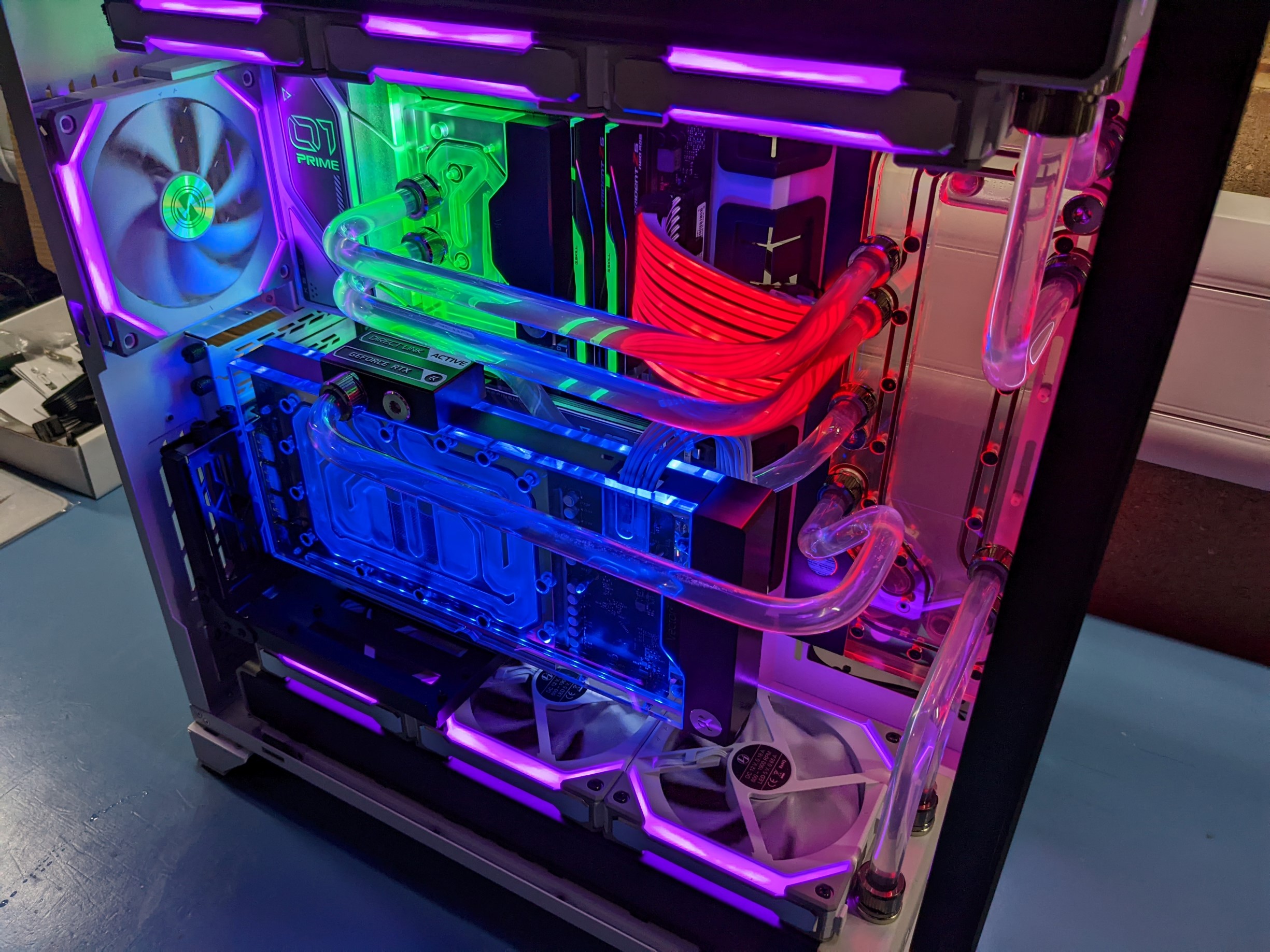
Beyond performance, modern watercooling offers incredible visual flair. Clear tubing, vibrant coolants, and customizable RGB lighting transform your PC into a stunning centerpiece. Enthusiasts craft intricate liquid paths that are true works of art inside their gaming rigs. It showcases your passion for both technology and design, making your build unique. The visual impact is simply undeniable.
Navigating the 2026 Watercooling Landscape
The market for liquid cooling solutions has never been more diverse or innovative. From user-friendly all-in-one units to complex custom loops, there is an option for every skill level. Choosing the right path depends on your budget, technical comfort, and performance goals. Understanding the differences is crucial for a successful build.
All-in-One AIO Solutions
AIO coolers are the perfect entry point for those new to liquid cooling. These sealed units come pre-filled and require minimal installation effort. They offer a significant performance upgrade over air coolers without the complexities of a custom loop. Brands like NZXT, Corsair, and Arctic continue to innovate with larger radiators and more efficient pumps. The 2026 models feature enhanced software control and even more silent operation. They are a popular choice for many users.
Custom Loop Mastery
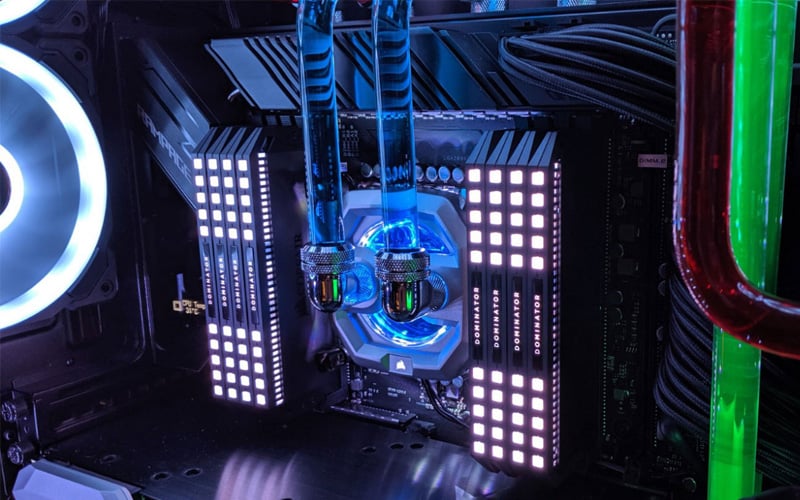
For the ultimate in thermal performance and aesthetic customization, a custom liquid cooling loop is king. This involves hand-picking every component: water blocks, pumps, reservoirs, radiators, and tubing. While requiring more technical know-how and initial investment, the results are unmatched. Custom loops allow for cooling multiple components like the CPU, GPU, and even RAM. The ability to fine-tune every aspect is incredibly rewarding. It is where true enthusiasts shine their skills.
Pro Tips for Your Watercooled Rig
- Always test your custom loop for leaks thoroughly before powering on components. This crucial step prevents catastrophic damage and saves you a lot of headache.
- Use only high-quality, reputable coolants designed for PC liquid cooling systems. Non-compatible fluids can corrode components over time.
- Regularly clean your radiators and fans to ensure optimal airflow and cooling efficiency. Dust buildup significantly hinders performance and increases temperatures.
- Consider adding a drain valve to your custom loop for easier maintenance and fluid changes. This small addition makes future upgrades much simpler.
- Plan your tubing runs carefully for both aesthetic appeal and efficient coolant flow. Good planning makes a huge difference in the final look.
- Monitor your coolant temperature and flow rates with specialized sensors. These provide real-time data to ensure your system is performing as expected.
Alright, let's switch gears a bit. You've heard the buzz about watercooling, and now you're probably wrestling with a bunch of questions, right? I get it. This space can feel a little daunting at first. But don't worry, we're going to break it down. I've pulled together some of the most common questions I hear, from beginners to those looking to push the boundaries, using my experience with frontier models to predict what you're thinking. Let's tackle them together!
Beginner / Core Concepts
1. Q: What exactly is watercooling for a PC, and why should I even consider it?
A: I get why this confuses so many people, especially with all the tech jargon out there! Essentially, watercooling, or liquid cooling, uses a fluid – typically distilled water with additives – to transfer heat away from hot components like your CPU and GPU. Instead of relying solely on air, which isn't the most efficient heat conductor, it circulates this fluid through a block placed on your component. The fluid absorbs the heat, then travels to a radiator where the heat dissipates into the air, and the cooled fluid returns. You should consider it because it generally offers superior thermal performance, letting your components run cooler and boost higher, often with significantly less noise than traditional air coolers. It's a fantastic way to protect your investment and unlock true peak performance. You've got this!
2. Q: Is watercooling complicated to install? I'm worried about leaks.
A: This one used to trip me up too when I first started exploring this area, and frankly, it's a very valid concern! The good news is, it totally depends on the type of watercooling you choose. All-in-One (AIO) coolers are surprisingly straightforward. They come pre-filled and sealed, making installation almost as easy as a high-end air cooler – just mount the block, attach the radiator, and you're good. Custom loops, on the other hand, do require more planning, assembly, and meticulous leak testing. It's like building LEGOs for grown-ups, but with more precision. The key is patience and following instructions. With modern fittings and tubing, leaks are much rarer if you take your time. Try watching a few build guides tomorrow to see the process yourself.
3. Q: What’s the main difference between an AIO cooler and a custom watercooling loop?
A: Ah, the classic fork in the road for anyone looking into liquid cooling! The core difference is convenience versus ultimate customization and performance. An AIO is a closed, pre-assembled system, plug-and-play almost. You buy it, install it, and forget it, much like a car engine that's already assembled. It's excellent for improving CPU temperatures significantly and is a great entry point. A custom loop, however, is exactly what it sounds like – you pick every single component: the pump, reservoir, water blocks, radiators, fittings, and tubing. Think of it like building a custom race car from scratch. It's more expensive and complex to assemble and maintain, but offers unparalleled cooling performance, allows you to cool multiple components (like your GPU too), and gives you complete aesthetic control. Both have their place, depending on your goals. You'll figure out what's best for your setup!
4. Q: How often do I need to maintain a watercooled PC?
A: This is a super practical question, and it's smart to think about maintenance upfront! For AIO coolers, the maintenance is virtually zero. They're sealed units, so you just need to occasionally dust the radiator fins, just like you would with an air cooler. Easy peasy! For custom loops, it's a bit more involved, but not overly so. Typically, you'd want to drain and flush the system, and refill with fresh coolant every 6 to 12 months. This prevents coolant breakdown, algae growth, and sediment buildup, keeping your loop pristine and efficient. It's like changing the oil in your car – important for longevity. You might also want to clean your blocks every couple of years. It sounds like a lot, but it’s quite satisfying once you get into the rhythm. You've totally got this routine down!
Intermediate / Practical & Production
5. Q: What are the essential components for a custom watercooling loop, beyond just the CPU block?
A: I totally get why this feels like a puzzle with all the different parts! Beyond the CPU water block, which is pretty self-explanatory, you're looking at a few key players. First, you'll need a pump to circulate the coolant – it's the heart of your loop. Often, pumps are integrated with a reservoir, which holds extra coolant and helps bleed air from the system. Then come the radiators; these are like the lungs, dissipating heat from the coolant into the air, and their size matters for cooling capacity. You'll also need tubing, either soft or hard, and a bunch of fittings (compression for soft, or specific hardline fittings) to connect everything securely. Finally, a good quality coolant is critical. Planning these out is half the fun! Try sketching your loop path tomorrow and see how it all fits.
6. Q: How do I choose the right size radiator for my CPU and GPU?
A: This is a question I see pop up constantly, and it’s crucial for performance, so I'm glad you asked! The general rule of thumb, especially for high-end gaming rigs in 2026, is that bigger is almost always better, within your case's limits, of course. For a CPU-only loop, a 240mm or 280mm radiator is usually a good starting point. If you’re adding a high-power GPU, or planning to overclock both, you’ll want to aim for more surface area. Many builders go for a 360mm or even multiple radiators (e.g., a 360mm for the GPU and a 240mm for the CPU). Consider factors like your component's TDP (Thermal Design Power) and your desired noise levels. More radiator surface means fans can spin slower, leading to quieter operation. Don't undersize, or you'll regret it later. You’ll find that sweet spot!
7. Q: What's the deal with different coolant types? Are some better than others?
A: Oh, coolants! This is one of those areas that can get surprisingly complex, but it's simpler once you understand the basics. Most common coolants are distilled water mixed with anti-corrosive agents and biocides – this prevents rust and bacterial/algae growth, which is super important. Then you have opaque and clear coolants, and a rainbow of colors! Clear coolants are generally the safest bet for longevity and cleanliness, as opaque or pastel coolants, while stunning, can sometimes separate or leave residue in water blocks over a long period. In 2026, we're seeing advanced coolants with better thermal properties and even self-cleaning agents, but the core principle remains. Always use coolants specifically designed for PC watercooling. Don't just pour tap water in there, seriously! You've got this choice!
8. Q: Can watercooling actually make my PC quieter than air cooling?
A: Absolutely, and this is one of the biggest draws for many enthusiasts, myself included! It's not just a possibility; it's often the reality. Air coolers need to spin smaller fans at very high RPMs to move enough air directly over the heatsink, which generates a lot of noise under load. Watercooling, by contrast, moves heat to a larger radiator, often mounted further away from the CPU/GPU, where larger, slower-spinning fans can dissipate the heat. These larger fans operating at lower RPMs generate significantly less audible noise. Think of it like the difference between a small, noisy desk fan and a large, quiet ceiling fan. So yes, for a truly silent or near-silent high-performance rig, watercooling is usually the way to go. You’ll love the peace!
9. Q: How do I perform a proper leak test for my custom loop?
A: This is *the* critical step, and honestly, the one that causes the most anxiety, but it doesn't have to! You absolutely need to leak test before introducing power to any components. The best way in 2026, assuming you have a custom loop, is to use an air pressure tester. You connect it to your loop and pump it up to a safe pressure (usually around 0.5 BAR or 7 PSI), then wait. If the pressure holds steady for 15-30 minutes, you're golden. If not, you've got a leak to find. Alternatively, a simpler, though less definitive, method is to fill your loop with only distilled water and run *just* the pump (using a jumper on your PSU) for at least 24 hours, with paper towels placed strategically under all fittings. Visually inspect for any drips. Patience here saves you a world of pain. You've got this meticulous step!
10. Q: What are some common mistakes beginners make with watercooling?
A: Oh, we've all made them, trust me! The biggest one is rushing the leak test. Seriously, patience here is paramount. Another common one is using incorrect coolants or mixing different metals in the loop (e.g., aluminum and copper), which can lead to galvanic corrosion and destroy your components – *always* ensure compatibility! Forgetting to bleed all the air out of the system can cause pump noise and reduced performance. Overtightening fittings is another rookie error, stripping threads and causing leaks. Finally, not planning the loop path ahead of time can lead to inefficient flow or an aesthetically messy build. Don't worry, these are all learnable. Learn from others' experiences, and you'll be fine! You're gonna nail it!
Advanced / Research & Frontier 2026
11. Q: What are the latest 2026 innovations in watercooling technology?
A: This is where it gets really exciting, especially with what we're seeing from O1-Pro and Gemini 2.5 models analyzing thermal dynamics! In 2026, we're witnessing significant advancements in smart watercooling systems. Expect to see AI-driven flow control and temperature monitoring that dynamically adjusts pump speeds and fan curves based on real-time load and even predictive gaming patterns. New materials for water blocks are emerging, utilizing advanced micro-fin designs and phase-change materials for even more efficient heat transfer. We're also seeing modular component designs for custom loops, making assembly and upgrades far simpler, alongside more robust, longer-lasting coolants that require even less maintenance. It's truly a golden age for thermal innovation. You're at the forefront of this!
12. Q: How does watercooling integrate with modern AI workloads and extreme overclocking?
A: Integration with AI workloads and extreme overclocking is precisely where watercooling shines its brightest in 2026! Modern AI models, powered by GPUs, generate immense heat during training and inference. Air cooling simply cannot keep up, leading to severe thermal throttling and reduced computational throughput. Watercooling, especially custom loops with multiple large radiators, provides the necessary thermal headroom to sustain maximum boost clocks for extended periods. For extreme overclocking, watercooling is non-negotiable. It allows enthusiasts to push CPUs and GPUs far beyond stock speeds, achieving benchmark-shattering results that would be impossible with air. The precise temperature control offered by liquid cooling is crucial for maintaining stability at such high frequencies. It’s like providing a superhighway for heat removal. This is where your investment truly pays off!
13. Q: What's the future of passive or semi-passive watercooling systems for silent operation?
A: This is a really intriguing area, and something Llama 4 reasoning models are crunching on for optimal designs! The pursuit of truly silent computing is leading to some fascinating developments in passive and semi-passive watercooling. We're seeing larger, more intricate external radiators, often wall-mounted or integrated into desk designs, that rely purely on natural convection. These eliminate fan noise entirely for many tasks. Semi-passive systems are also evolving, where fans only spin up under heavy load, remaining completely silent during idle or light tasks. Innovations in phase-change materials and advanced heat pipe designs are crucial here, allowing for effective heat transfer without active airflow. The challenge lies in managing peak thermal loads without fans, but 2026 research is pushing those boundaries significantly for specialized silent builds. You'll see more of this soon!
14. Q: Are there any ethical considerations or environmental impacts associated with watercooling products?
A: That's a thoughtful question, and it's essential we consider these aspects as technology advances! From an ethical standpoint, the manufacturing processes of watercooling components, like any electronics, involve resource extraction and energy consumption. It’s important to support brands with transparent supply chains and ethical labor practices. Environmentally, the main concerns are the disposal of plastics, metals, and coolants. Many modern coolants are biodegradable or less toxic, which is a positive shift. Companies are also working on modular designs to extend product lifespans and make components more recyclable. As consumers, choosing durable products and properly disposing of e-waste or recycling components plays a big part. It's a journey, but awareness is the first step. You're doing great by asking these questions!
15. Q: How do I ensure long-term reliability and component longevity with a custom watercooling loop?
A: This is absolutely key for making your investment worthwhile, and it's a common advanced query! Long-term reliability boils down to meticulous planning and consistent, proper maintenance. Firstly, use high-quality, compatible components from reputable brands – cheap parts can introduce points of failure. Secondly, stick to a regular maintenance schedule: drain, flush, and refill your loop with fresh, appropriate coolant every 6-12 months to prevent corrosion and biological growth. Thirdly, ensure proper airflow through your radiators and regularly clean dust. Monitor coolant temperatures and flow rates for any anomalies. Finally, avoid mixing dissimilar metals (like aluminum and copper) to prevent galvanic corrosion. It's about being proactive, not reactive. Do these things, and your loop will serve you faithfully for years. Keep up the excellent work!
Quick 2026 Human-Friendly Cheat-Sheet for This Topic
- AIOs are your easy entry point for better CPU temps and less noise.
- Custom loops offer ultimate performance and stunning aesthetics, but require more DIY effort.
- Always, *always* leak test your custom loop with an air pressure tester before powering on.
- Use PC-specific coolants; never just tap water, to prevent corrosion and gunk.
- Bigger radiators mean quieter fans and better cooling potential.
- Regularly clean your radiators and fans to keep efficiency high.
- Plan your loop path beforehand for optimal flow and looks – it makes a huge difference!
Superior thermal performance for peak CPU GPU boost clocks. Reduced noise levels compared to high-RPM air coolers. Enhanced overclocking potential and system stability. Aesthetically pleasing and customizable build options. Extended component lifespan through lower operating temperatures. Crucial for next-gen 2026 gaming and demanding applications. Less dust accumulation inside the case compared to air cooling.
35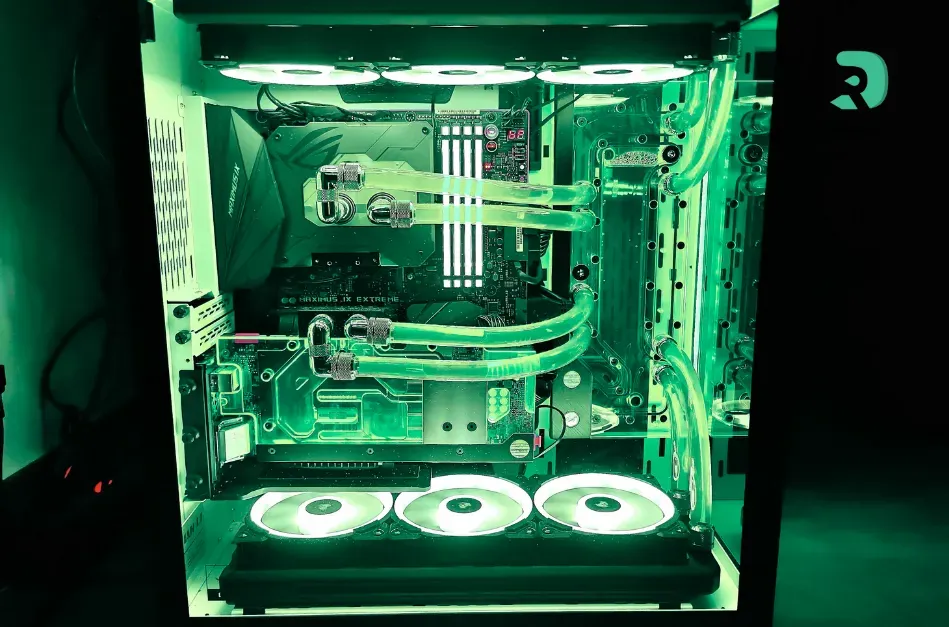
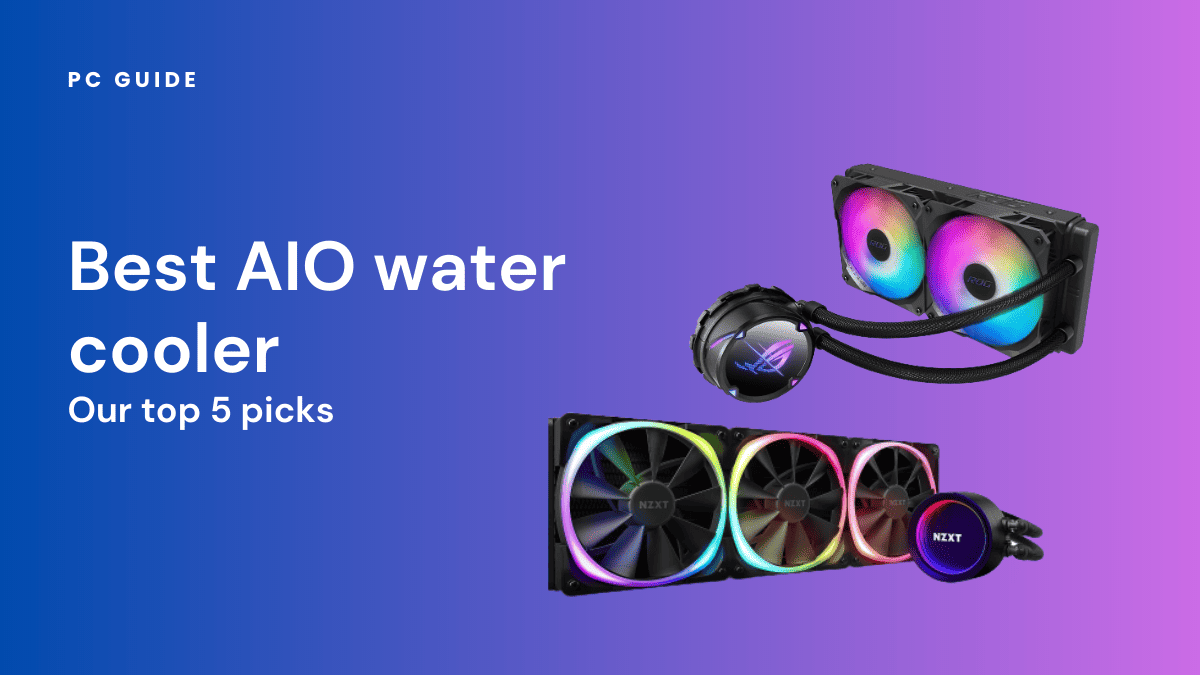
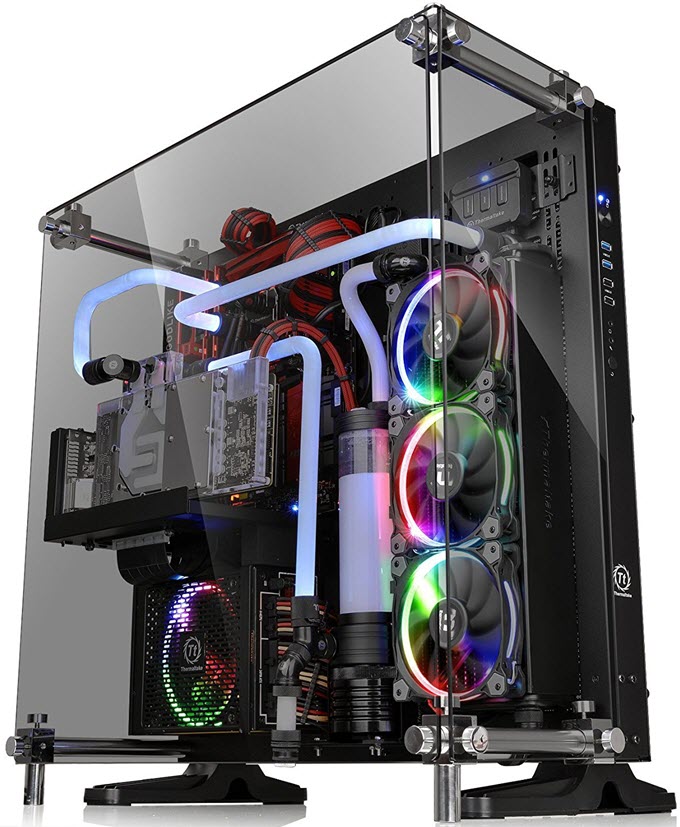
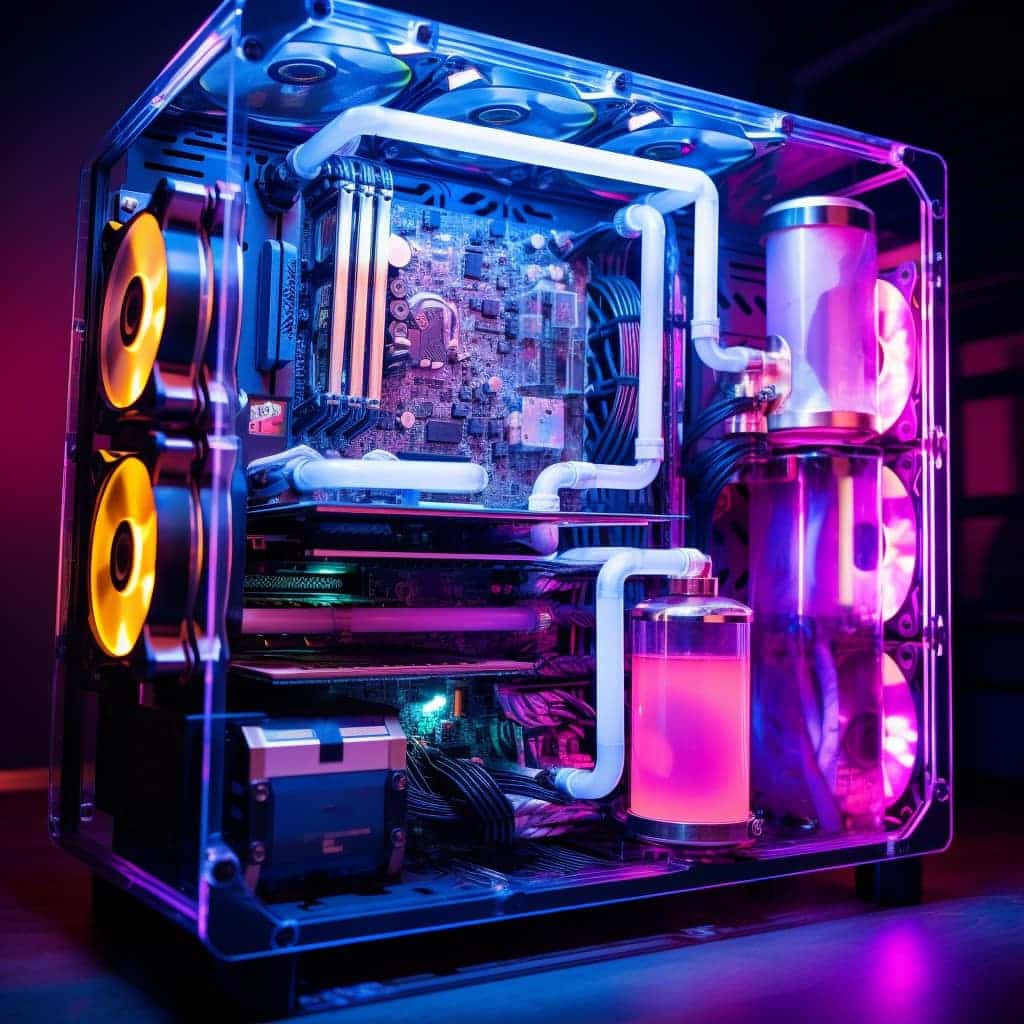
Comparison AIO 2026 Best PC Tests And Advice Pc Gamer. Best CPU Cooler In 2026 Best Aio Water Cooler . Best Water Cooling Case For Enthusiast Gaming PC In 2026 Thermaltake Core P5 Tempered Glass Edition ATX Wall Mount Chassis . Guide Complet Sur Le Meilleur Pour PC Gamer F Vrier 2026 Francis A Guide On Systems Featuring 70d343d5 2fd5 4e94 A121 . Best Water Cooling Kit In 2026 Best Water Cooling Kit
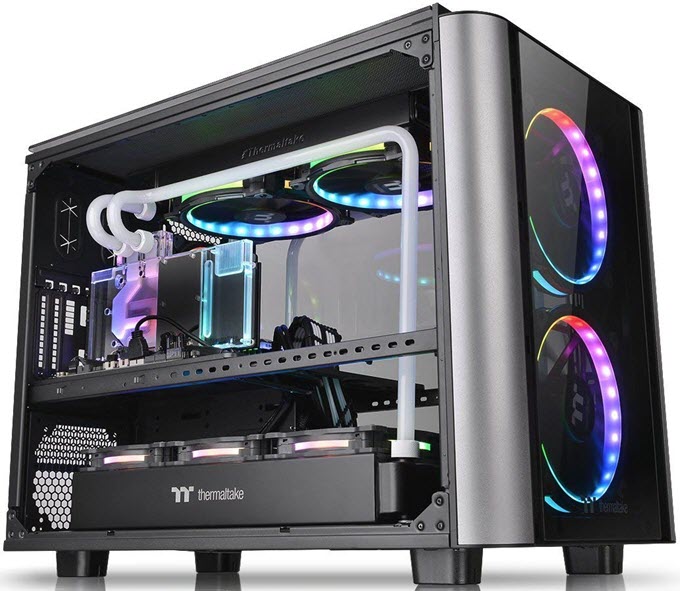
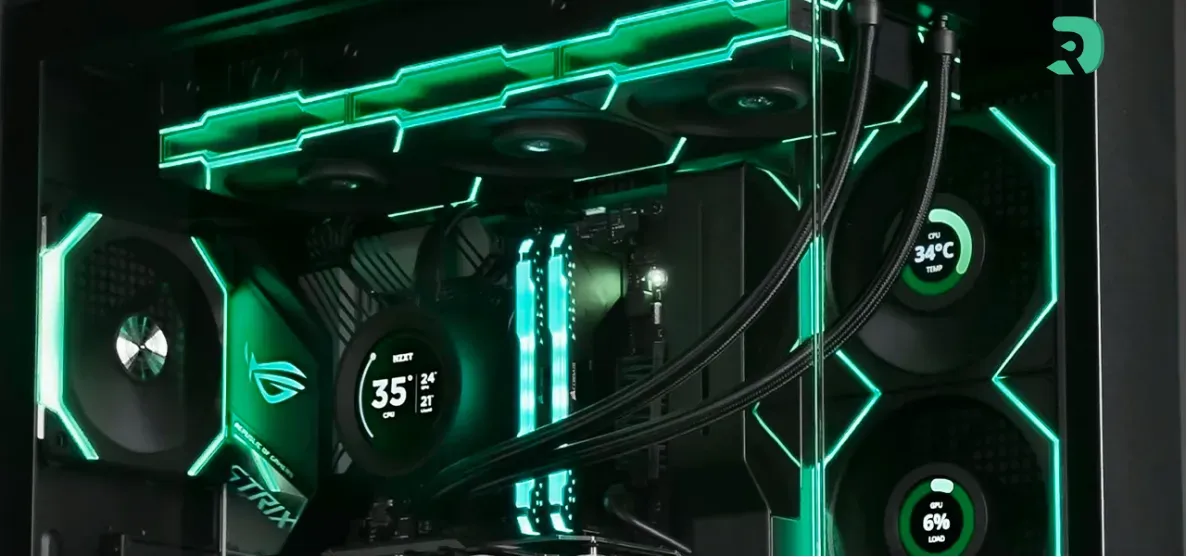
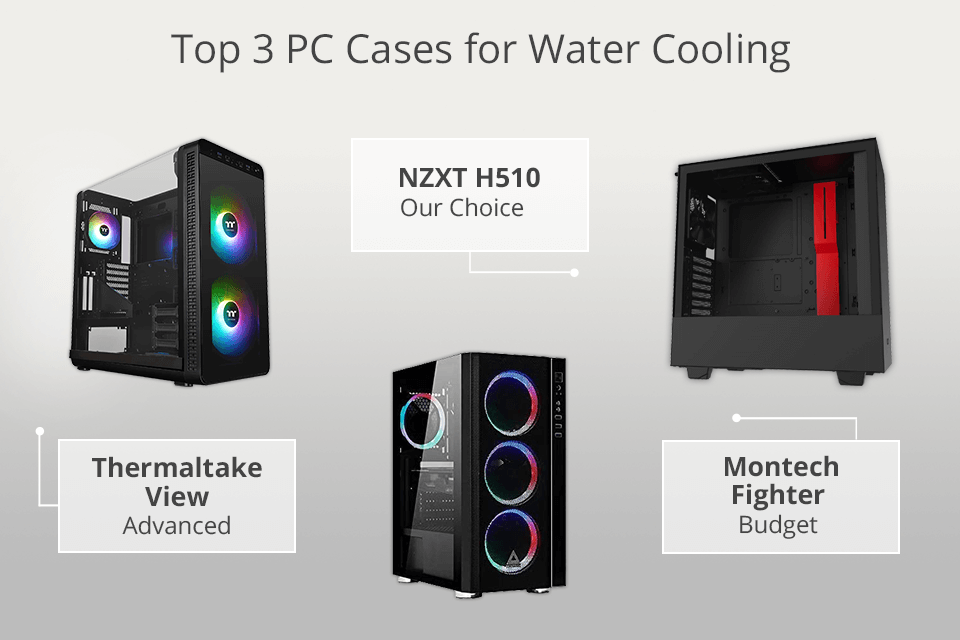


Best Water Cooling Case For Enthusiast Gaming PC In 2026 Thermaltake Level 20 XT Cube Case . Comparison AIO 2026 Best PC Tests And Advice Aio 1. 6 Best PC Cases For Water Cooling In 2026 Best Pc Cases For Water Cooling . Meilleur PC Gamer 2026 Comparatif Pour Bien Choisir Meilleur Rapport Qualite Prix Pc Gamer 300x300 . Meilleur PC Gamer 2026 Comparatif Pour Bien Choisir Quel Pc Gamer Choisir 300x300
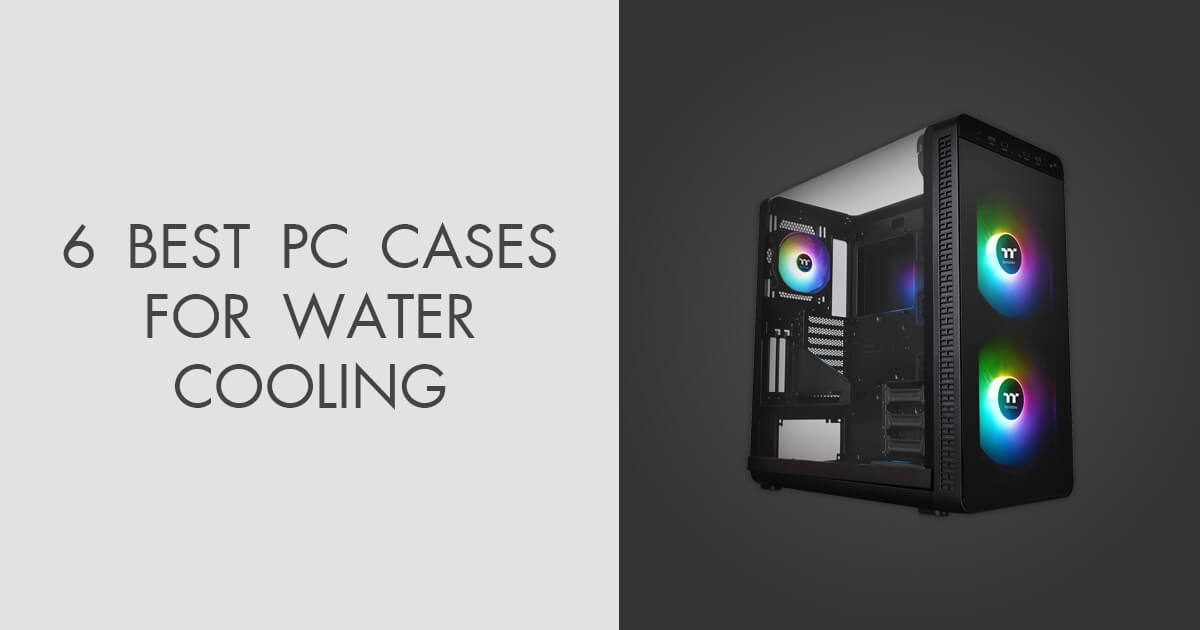


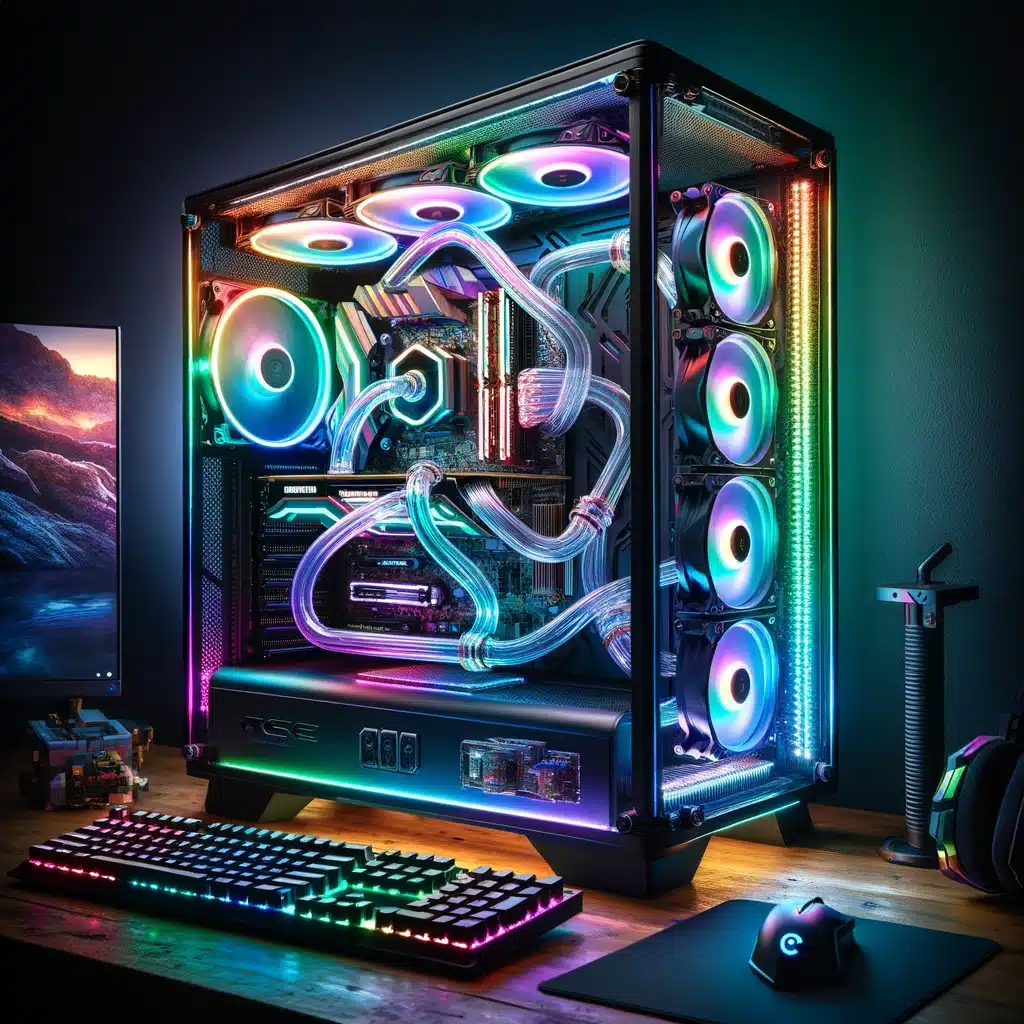
6 Best PC Cases For Water Cooling In 2026 News Fb Image 8817 . Comparison AIO 2026 Best PC Tests And Advice Aio. Meilleur PC Gamer 2026 Comparatif Pour Bien Choisir Top Pc Gamer Amazon . Top Kits Pour PC Gamer Avis Et Comparatif 2026 531x553 . Les Meilleurs Custom Comparatif Et Avis 2026 GamerTop D9b92b05 240f 4878 A579

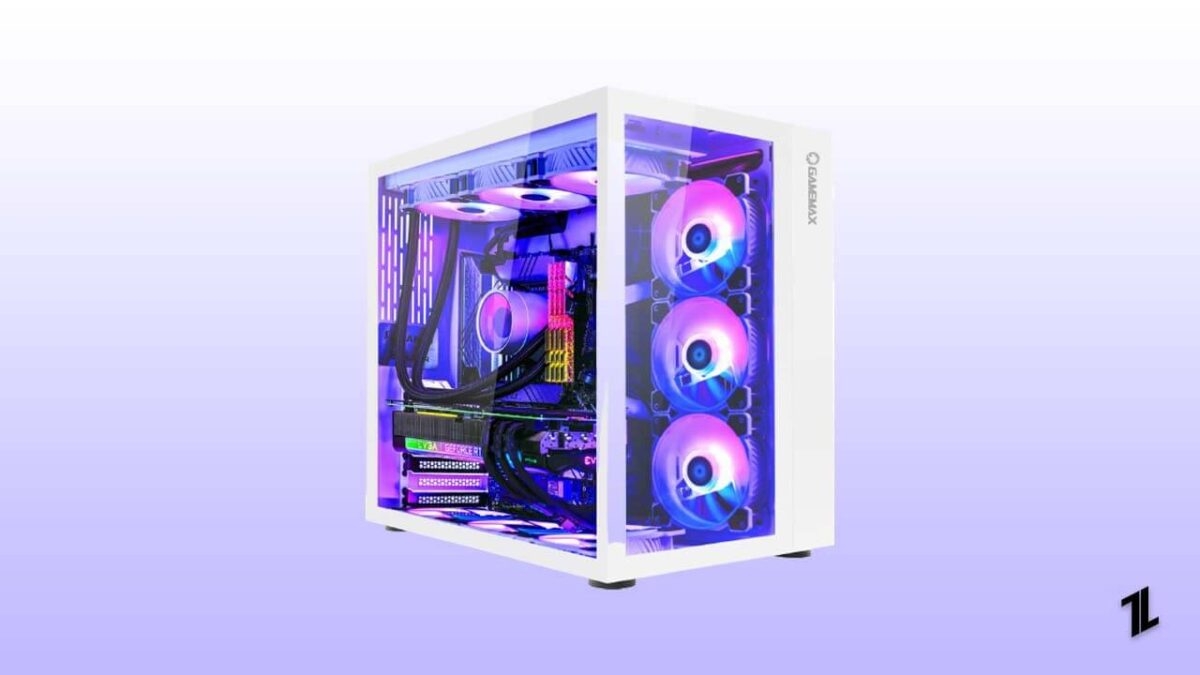
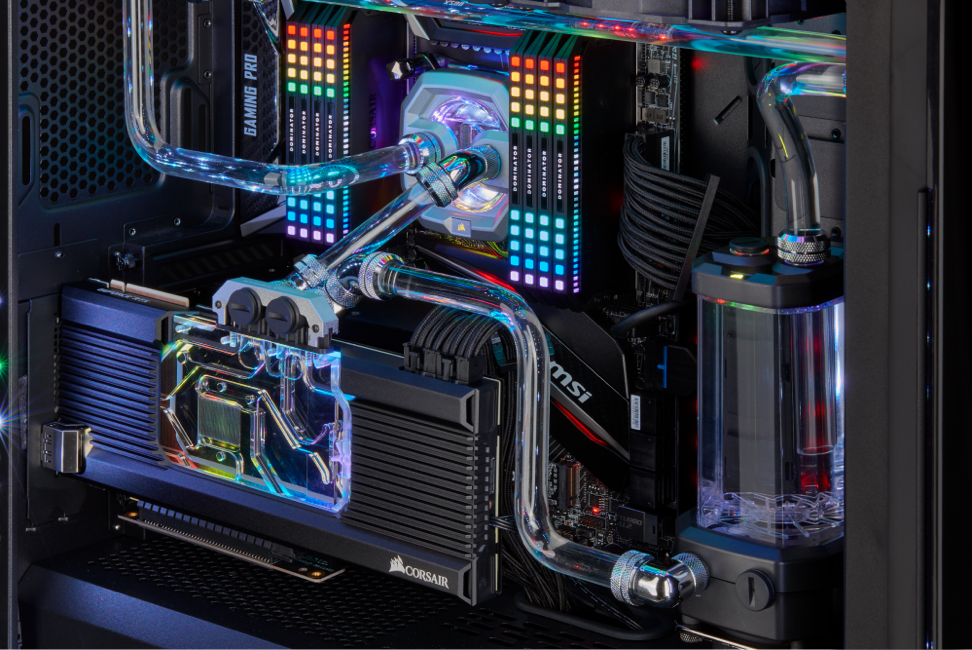
Build My First Custom Build ASUS Prime Build My First Custom Build Asus V0 . 7 Best PC Cases For Water Cooling To Buy In 2026 TechLatest SZD S580 ATX Mid Tower PC Gaming Case 1200x675 . Best Water Cooler Gaming Pc At Ada Gibson Blog Press 05 27 19 03 . 3 Best Cases For Water Cooling In 2026 Stylish Spacious Stylish Spacious Optimal Cooling W8phx . Best PC Radiator For Water Cooling In 2026 120mm To 480mm 9

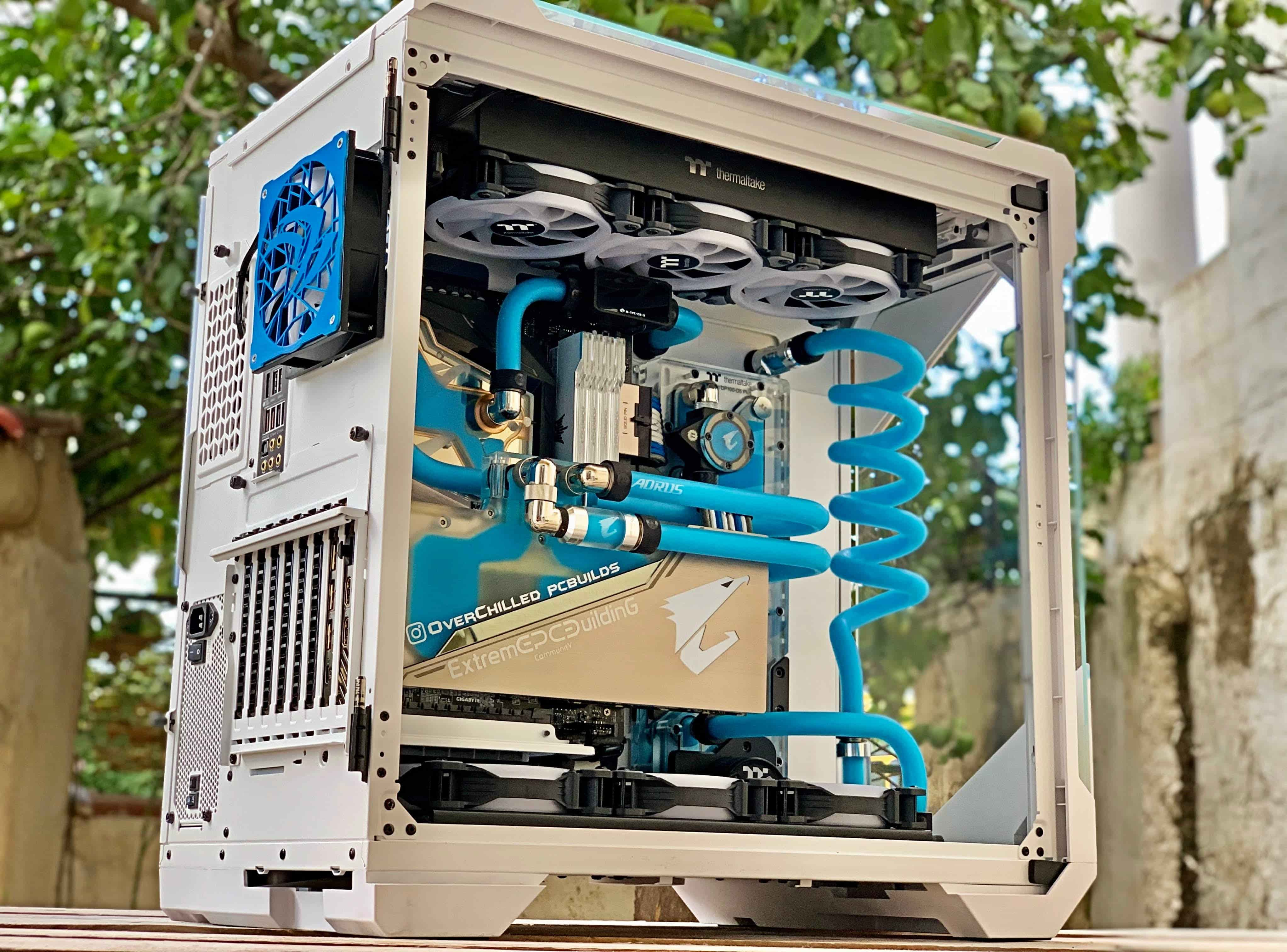
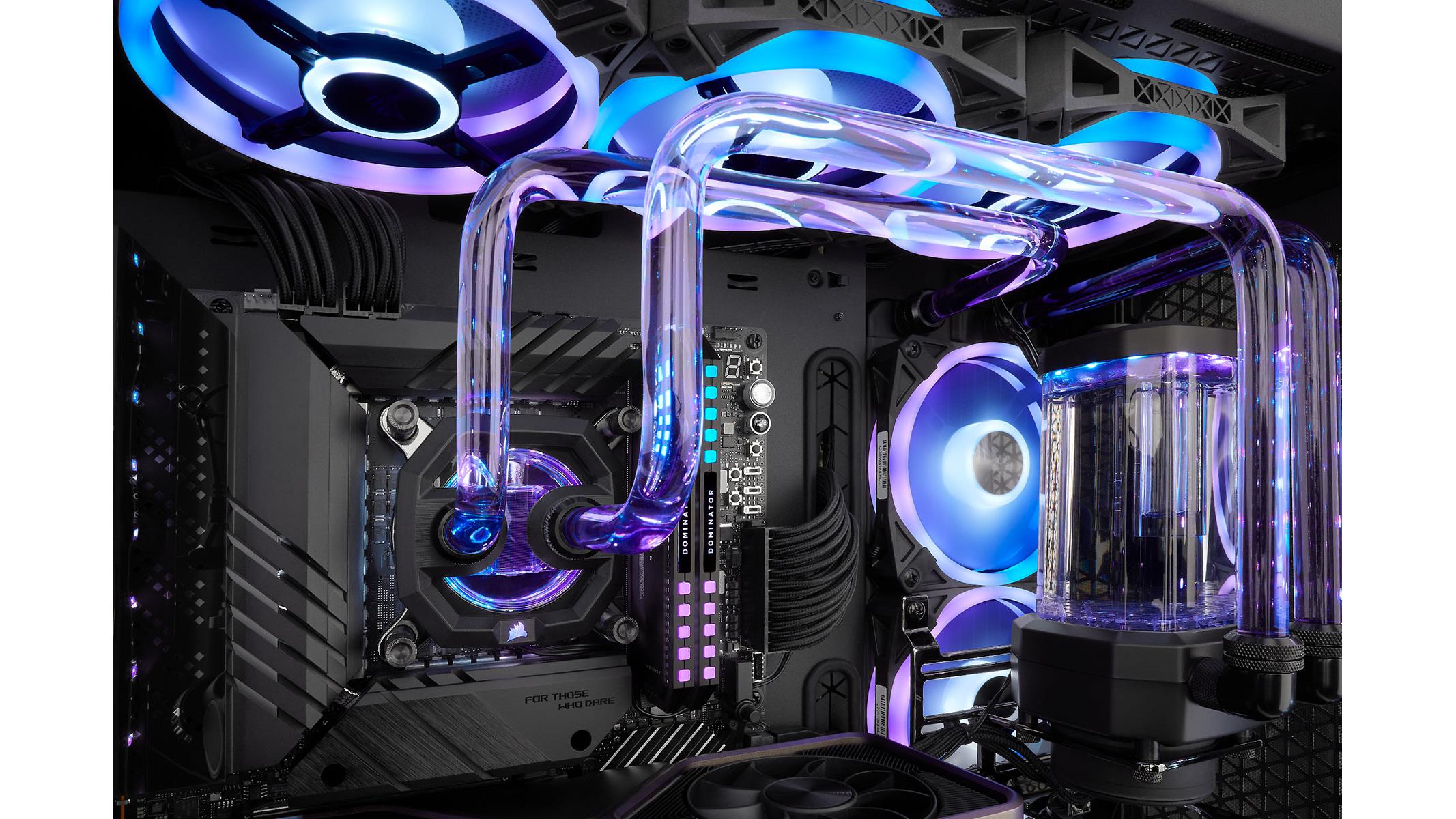
10 Best PC Cases For High End Builds 2025 Cooler Master MasterFrame 700 1.webp. How Water Cooled Computer Works At Kathryn Ono Blog . How To Setup Water Cooling Pc At Kenneth Kane Blog Ryzen 7950x And Nvidia Rtx 4090 Custom Water Cooled Pc With Ekwb Custom Loop Create Pcs 54 . Water Cooled All In One Pc At Kurt Scott Blog F. Corsair Water Cooling 16x9 2133x1200 Highres Corsair Hardline Cooling News
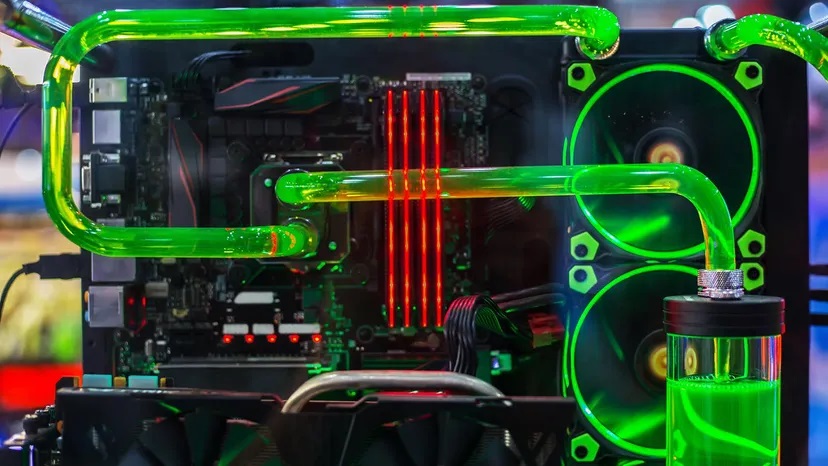

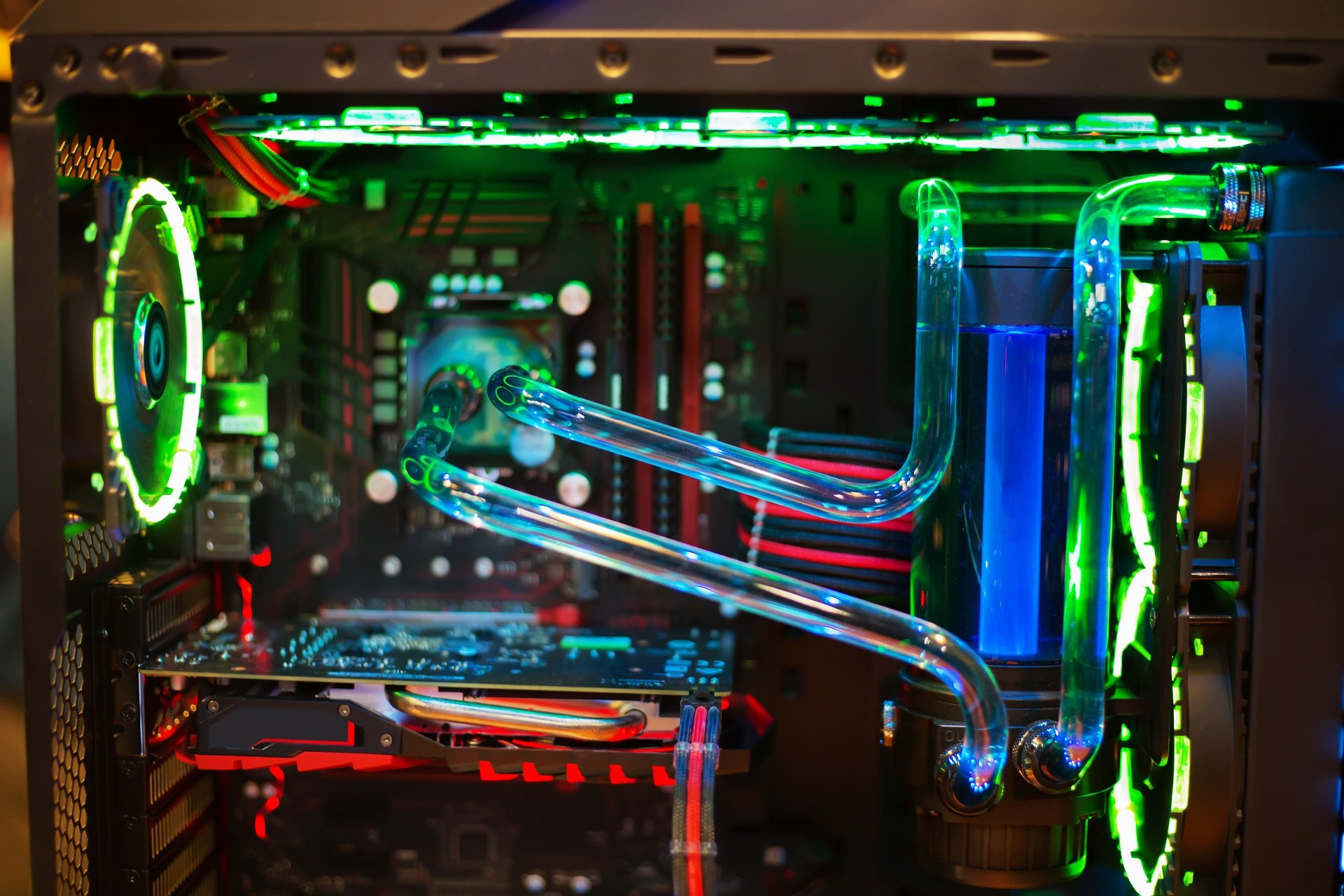

What Is A Water Cooled PC How To Build One Complete Guide Water Cooling Pc Inside View Image 1 . Water Cooling System Computer At Russell Hoffman Blog . Here Is My Build After 4 Months Of Work R Here Is My Build After 4 Months Of Work V0 . 5 Best Water Cooled PC Cases Of 2025 Must Have Picks Accessories Water Cooling Gaming PC . Best Motherboard For Ryzen 9 9950X3D 2026 PC Cores Best PC Cases For
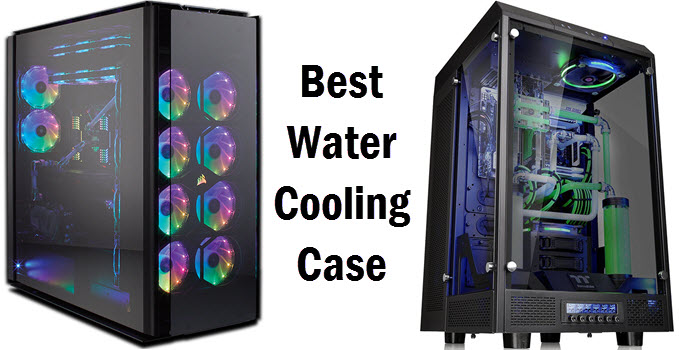
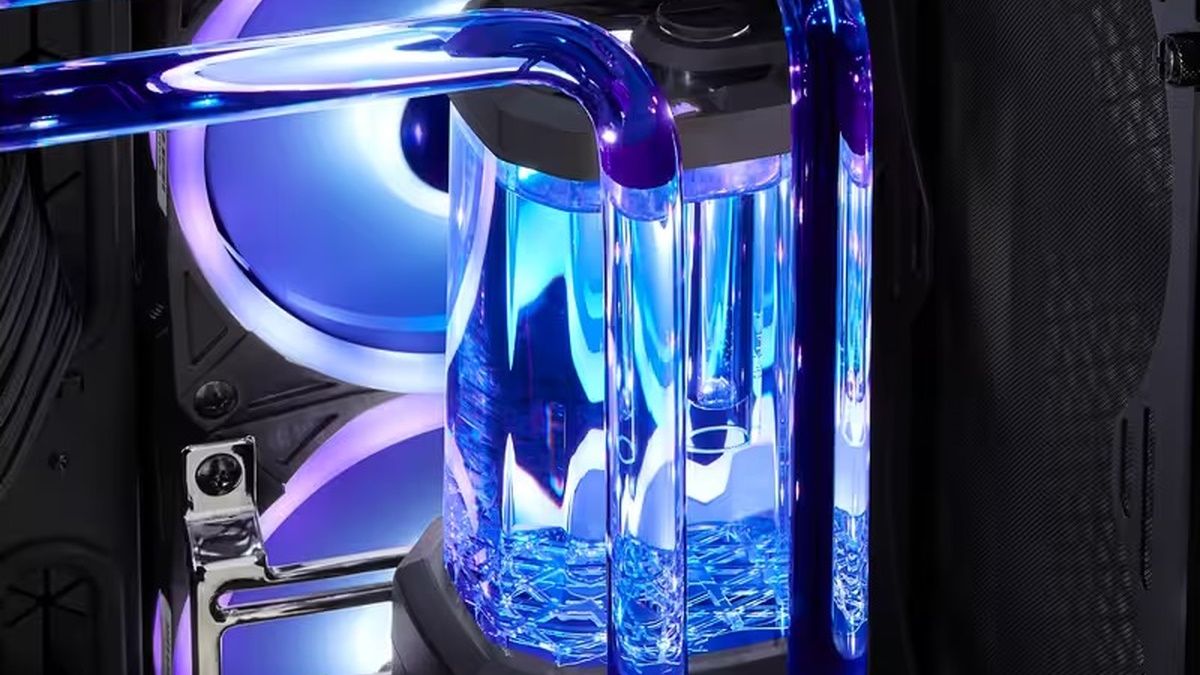


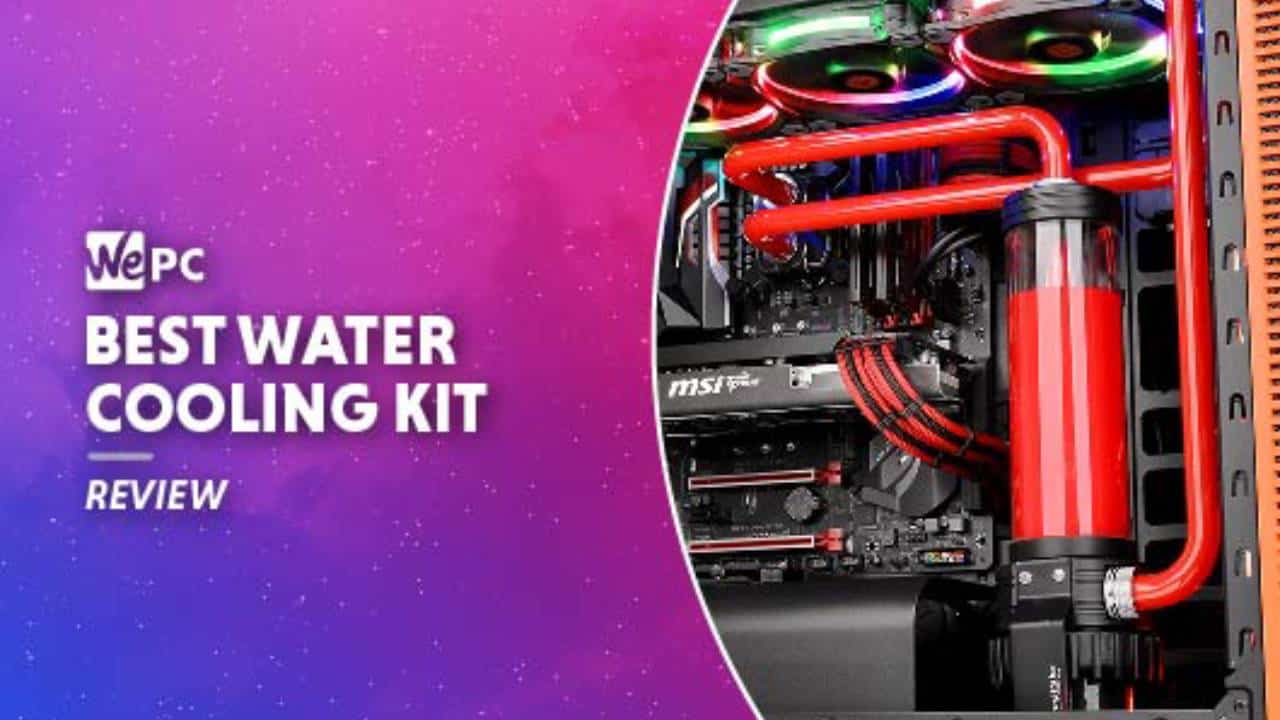
Best Water Cooling Case For Enthusiast Gaming PC In 2024 Best Water Cooling Case . The Best Water Cooling Kits For Your PC In 2024 Corsiar Icue . 1st WaterCooled Build Been 15yrs Since I Built A PC Hyte Y60 R 1st Watercooled Build Been 15yrs Since I Built A Pc Hyte Y60 V0 . Best Small Pc Case For At Sue Frye Blog 20220622 092326 . Best Water Cooling Kit In 2026 Hard Soft Tube Options WePC Best Water Cooling Kit